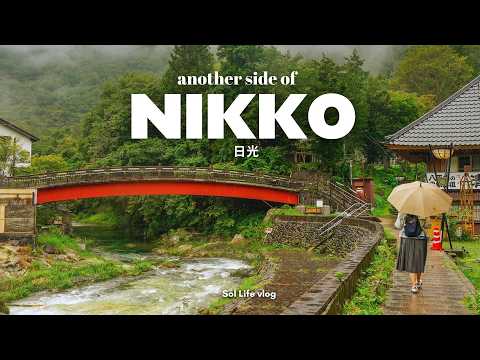
Things to do in Tochigi: Nikko, stone and flowers
Contents
- 1. Compare the attractions before choosing a day
- 2. Decide which part of Tochigi to visit
- 3. Visit Nikko Toshogu with the seasonal cutoff in mind
- 4. Plan Kegon Falls as a separate ticketed visit
- 5. Visit Oya History Museum with cash and winter hours in mind
- 6. Choose Ashikaga Flower Park by your travel date
- 7. Build a plan around the facts that change
- 8. Frequently asked questions
- 9. Official information
Tochigi Prefecture is a broad region, not a single walkable destination—and it is not the same as Tochigi City. This guide focuses on four distinct visits: Nikko Toshogu and Kegon Falls in the Nikko area, Oya History Museum in Utsunomiya, and Ashikaga Flower Park in Ashikaga. Each has its own admission rules, seasonal hours and access arrangements, so decide which area you want to visit before planning the day.
The practical difference between these places is as important as the attraction itself. Toshogu has a seasonal last-admission time and separate individual and group prices. Kegon Falls has a separately ticketed elevator with its own operating hours, while Oya History Museum takes cash only. At Ashikaga Flower Park, prices and opening hours vary with flower conditions, so a price seen for another date is not a dependable budget for your visit.
Choose an area first, then check the official information for the specific attraction and travel date. The details below were checked on 4 November 2026; where the published information is date-dependent or uncertain, that limitation is stated rather than replaced with an estimate.
Compare the attractions before choosing a day
These four visits do not share one admission system or one season. The table compares the published individual prices and the key conditions that affect planning; it is not a complete trip budget. Transport, meals and any other stops are separate.
| Attraction | Published admission | Child category | Practical condition | Published hours |
|---|---|---|---|---|
| Nikko Toshogu | ¥1,600 for adults and high-school students | Elementary- and junior-high-school students: ¥550 | Groups of at least 35 have separate rates | Apr–Oct: 9:00–17:00, last admission 16:30; Nov–Mar: 9:00–16:00, last admission 15:30 |
| Oya History Museum | ¥1,000 for adults | Elementary- and junior-high-school students: ¥400; preschool children: free | Cash only | Apr–Nov: 9:00–17:00, last admission 16:30; Dec–Mar: 9:30–16:30, last admission 16:00 |
| Kegon Falls elevator, return ticket | ¥600 for adults | Elementary-school children: ¥400; preschool children: free | No reservation; entry is first come, first served; pets are not permitted | Mar–Nov: 8:00–17:00; Dec–Feb: 9:00–16:30 |
| Ashikaga Flower Park | Varies with flower conditions | Check the category shown for your visit date | Advance reservation is not required in the prefectural tourism guidance; re-entry is not allowed | Varies with flower conditions; last ticket sale is 30 minutes before closing |
Toshogu’s individual prices come from the shrine’s own admission information, while its seasonal access information is published by the Nikko tourism association (Toshogu admission; Nikko tourism association). The Oya prices and operating details are from the museum operator (Oya History Museum access and visitor information), and the elevator’s return fare and operating conditions are from its operator (Kegon Falls elevator information). The park comparison is different: its price and hours depend on flower conditions, so use the park’s official page for the date you plan to go.
For Toshogu, a group rate is not a substitute for the individual rate in a family budget. The shrine lists rates for groups of at least 35: ¥1,440 for adults and high-school students, and ¥495 for elementary- and junior-high-school students. If your party is smaller, use the individual prices instead. At Oya, include the cash-only condition in your preparation; the published adult admission is ¥1,000 following the April 2026 revision, rather than the older ¥800 price sometimes shown elsewhere.
Do not treat Ashikaga Flower Park as having one fixed ticket price. The daily display available when the information was checked showed 3 November, so it cannot confirm the price for 4 November or a later travel date. Check the park’s own date-specific information rather than carrying a displayed price over to a different day.
The individual adult admissions for Toshogu and the Kegon elevator add up to ¥2,200. That is only the subtotal for those two attractions: it does not include transport between stops, food, or other visits. The total for a real outing depends on the rest of your plan, so use attraction admissions as separate line items rather than as a complete day-trip estimate.
Decide which part of Tochigi to visit
Begin with the locations, not with the prefecture name alone. Toshogu is at 2301 Sannai in Nikko, Kegon Falls has its own elevator and operating information, Oya History Museum is at 909 Oyamachi in Utsunomiya, and Ashikaga Flower Park is in Ashikaga City. These are separate destinations with different access details; do not assume that visiting one makes another an easy walk away.
Nikko is the choice in this guide that combines a shrine visit with a separate waterfall attraction. Even within the Nikko portion, check Toshogu’s entry cutoff and the Kegon elevator’s hours independently, because their schedules differ. The available information here does not establish a connecting journey time between them, so confirm transport before deciding which one to visit first or how much time to leave between stops.
Oya History Museum is a Utsunomiya visit with a specific navigation instruction: drivers are asked to search by facility name or telephone number rather than relying on the street address. Ashikaga Flower Park has a different, clearly stated approach from the railway: the prefectural tourism listing describes an approximately three-minute walk from Ashikaga Flower Park Station on the JR Ryomo Line. These two access notes should not be swapped or generalized to other attractions.
This guide covers attractions across Tochigi Prefecture, not a sightseeing itinerary for Tochigi City. If you are arranging a meeting point, a hotel or transport, check the city in the attraction’s address before making the booking. A search for “Tochigi” alone can refer to a much wider area than the city or station you intend to visit.
Visit Nikko Toshogu with the seasonal cutoff in mind
Nikko Toshogu is a shrine dedicated to Tokugawa Ieyasu. Its address is 2301 Sannai, Nikko; save the shrine’s map location before setting out so that you can check the stop and walking approach against your own transport plan. The Nikko tourism association describes the World Heritage sightseeing bus from JR Nikko or Tobu-Nikko Station as taking about ten minutes, but that is the bus ride, not the complete station-to-shrine journey (official local access information).
The final approach depends on where you get off. From Omotesando bus stop, the walk is about five minutes; from Shinkyo bus stop, it is about fifteen minutes. These are different walking distances, so check which stop suits your intended approach rather than treating the two names as interchangeable. The figures are approximate and describe the walk from each named stop, not a total journey from Tokyo or from either railway station.
Opening hours change by season. From April through October, the shrine is open 9:00–17:00 and last admission is 16:30. From November through March, it is open 9:00–16:00 and last admission is 15:30. A November visit therefore needs an earlier entry plan than an October visit, and arriving at closing time is not the same as arriving before the last-admission cutoff.
Individual admission is ¥1,600 for adults and high-school students, and ¥550 for elementary- and junior-high-school students. The separate group prices apply to groups of at least 35: ¥1,440 for adults and high-school students, and ¥495 for elementary- and junior-high-school students. Use the individual rate unless your party meets the stated group threshold; do not budget the group price for a small family or an ordinary pair of visitors (Toshogu’s admission page).
Visual posts can help you understand what a visit has looked like on a particular day, but they do not replace current admission information. Kaho Takashima’s carousel shows a winter visit with snow around the shrine buildings, while Dozan11’s Japanese-language photo tour gives a close view of the richly decorated Yomeimon gate. Neither a past photograph nor a social post establishes current conditions, entry times or the ticket price for your date.
If you are travelling from Tokyo, consult a separate Tokyo-to-Nikko transport guide for the journey itself, then use the local access information above for the final approach. For cultural preparation, a shrine-etiquette guide can be useful, but follow the instructions displayed at the site. Keep your transport plan, the seasonal last-admission time and the walk from your selected bus stop together; checking only the bus ride or only the shrine’s opening time leaves part of the arrival plan unresolved.
Plan Kegon Falls as a separate ticketed visit
The Kegon Falls elevator has its own ticket and timetable. The published return fare is ¥600 for adults and ¥400 for elementary-school children; preschool children are free. No reservation is required, and entry is first come, first served. Pets are not permitted, so do not plan to bring one into the elevator visit (operator’s current information).
The elevator operates 8:00–17:00 from March through November and 9:00–16:30 from December through February. Those are elevator hours, not Toshogu’s hours and not a published last-bus time. If your day includes both the shrine and the falls, check the connecting transport separately before setting the order; the admission information alone does not establish how long that connection will take.
For questions about operating conditions, the operator publishes the contact number 0288-55-0030. Check the elevator operator’s information close to your travel date rather than assuming that a photograph or an older report confirms that it is operating when you arrive. The hours in this guide are the published seasonal schedule checked on 4 November 2026, not a guarantee that a particular day will be unaffected by a change in conditions.
The adult admission subtotal for Toshogu and the elevator is ¥2,200: ¥1,600 for Toshogu plus ¥600 for the return elevator ticket. This comparison is useful for checking two named admission costs, but it is not a package ticket and does not include transport, meals or any other Nikko stop. For children, calculate by the published categories for each attraction rather than applying one child price to the whole day: Toshogu’s child category is elementary and junior high school, while the elevator’s listed paid child category is elementary school.
Tochigi__gurume’s reel follows a visit to Kegon Falls, and Ayaka.o1028’s carousel shows the waterfall among green cliffs. These posts offer visual records of the setting at their respective visits; they should be treated as illustrations, not as evidence of current opening conditions. A waterfall image also cannot tell you whether the elevator is open at the time you plan to go.
Visit Oya History Museum with cash and winter hours in mind
Oya History Museum is at 909 Oyamachi, Utsunomiya. If you are driving and using navigation, the operator asks you to search by the facility name or telephone number instead of relying on the address alone. Follow that instruction when setting up your navigation, and consult the museum’s official access page for the operator’s current visitor information.
Adult admission is ¥1,000 following the April 2026 revision. Elementary- and junior-high-school students pay ¥400, and preschool children are free. Admission payment is cash only, so set aside the required amount before arrival rather than assuming that a card payment option is available. The older ¥800 adult listing should not be used for a new budget when the operator’s current published adult price is ¥1,000.
The museum’s opening hours also change by season. From April through November it is open 9:00–17:00, with last admission at 16:30. From December through March it is open 9:30–16:30, with last admission at 16:00. The winter opening time is later and the closing time earlier than in the April–November schedule, so place the correct seasonal cutoff beside your transport plan.
There are additional winter closure details to check. From December through March, the museum is closed on Tuesdays, or on the following day when Tuesday is a public holiday. The operator lists a year-end closure from 26 December through 3 January. Check the official visitor page for your particular date, especially if you are planning around the end of December or the beginning of January; do not substitute an older calendar or a different facility’s schedule.
A practical preparation sequence is to confirm the date, check the seasonal hours and closure information, then prepare the admission cash for the ages in your party. Drivers should also follow the operator’s facility-name-or-telephone-number navigation instruction. If Oya is one stop in a wider Utsunomiya day, compare its last admission with the transport you intend to use rather than assuming that other attractions in the city share its hours.
Choose Ashikaga Flower Park by your travel date
Ashikaga Flower Park is in Ashikaga City. The prefectural tourism listing describes an approximately three-minute walk from Ashikaga Flower Park Station on the JR Ryomo Line and says that advance reservation is not required (prefectural tourism information). That makes the station a useful reference point when arranging the approach, but the walking time is an approximate station-to-park detail, not a complete journey from another city.
The price and opening hours vary with flower conditions. The park states that its final ticket sale is 30 minutes before closing and that re-entry is not allowed (official park information). Plan to make the visit continuously: do not assume you can leave the park and return later on the same admission, and do not plan to arrive only a few minutes before the posted closing time.
Do not use one day’s displayed price as the confirmed price for another date. The daily display available during the check showed 3 November, so it cannot establish the price for 4 November or any later visit. Open the park’s own information for your intended date and use the price and hours shown for that date, because flower conditions affect both.
The prefectural tourism listing gives regular closures on the third Wednesday and Thursday of February and on 31 December. However, the weekday information in the tourism listing has an inconsistency, so treat those dates as a reason to check rather than as a substitute for the park’s date-specific information. Confirm the date on the official park page before arranging the train journey, particularly for a visit near a stated closure.
Flower photographs and reports from previous visitors can show what was visible on the day they went, but cannot predict the display for your own date. A post about peak bloom is not confirmation of current flower conditions, opening hours or ticket price. Use visual material for inspiration and the park’s own date-specific information for the practical decision.
Jalan’s post of the Akechidaira observation setting looks toward Lake Chuzenji and Kegon Falls. It illustrates another kind of Tochigi scenery, but it is not evidence that the observation area and Ashikaga Flower Park form one convenient route. Compare the mountain setting with the flower-park visit as separate choices unless you have checked the transport and timing for your own itinerary.
Build a plan around the facts that change
For a Nikko visit, put the shrine and the waterfall elevator on separate lines in your plan. The shrine’s winter schedule is 9:00–16:00, with last admission at 15:30, while the elevator’s December–February schedule is 9:00–16:30. The timetable difference matters: do not assume that one attraction’s hours or cutoff apply to the other, and check transport between them independently.
For Oya History Museum, prioritize the two details that can disrupt an otherwise straightforward arrival: the winter schedule and cash-only admission. Winter last admission is 16:00, and the museum’s listed winter Tuesday closure and year-end closure also need to be checked against your date. If driving, search by facility name or telephone number as the operator instructs rather than relying only on the street address.
For Ashikaga Flower Park, the visit date is central to both the budget and the schedule. Confirm the park’s date-specific price and hours, note that the final ticket sale is 30 minutes before closing, and allow for a continuous visit because re-entry is not allowed. The approximate three-minute walk from Ashikaga Flower Park Station is a useful final-approach detail, but it does not replace checking the railway journey to that station.
For any combination of these stops, keep attraction admission separate from transport, meals and other expenses. The supplied prices support a comparison of named tickets, not a total cost for a complete day or multi-city trip. Similarly, the access details give particular bus stops, a station walk or a navigation instruction; they do not establish a complete route linking every destination in the prefecture.
Frequently asked questions
Is this guide about Tochigi City?
No. Tochigi Prefecture is the wider region covered here, while Tochigi City is a specific city within it. The attractions in this guide are located in Nikko, Utsunomiya and Ashikaga, so check the city and address before arranging transport or choosing a meeting point. A search for “Tochigi” by itself does not identify which of those destinations you mean.
What time is the last admission at Nikko Toshogu?
From November through March, Toshogu’s last admission is 15:30, and the shrine closes at 16:00. From April through October, last admission is 16:30 and closing is at 17:00. Use the season that applies to your visit date, and distinguish the last-admission time from the closing time (Nikko tourism association).
Can I reserve the Kegon Falls elevator?
The operator’s information says that no reservation is required and that admission is first come, first served. The published return price is ¥600 for adults, ¥400 for elementary-school children and free for preschool children. Pets are not permitted, and you can check the operator’s latest information or contact it at 0288-55-0030 before travel (Kegon Falls elevator).
Does Oya History Museum accept card payment?
The operator lists admission payment as cash only. Adult admission is ¥1,000 following the April 2026 revision; elementary- and junior-high-school students pay ¥400, and preschool children are free. Prepare cash before arriving and check the operator’s page for seasonal hours and closure information (Oya History Museum).
Does Ashikaga Flower Park have one fixed admission price?
No. The park says that its price and opening hours vary with flower conditions, so a displayed price for another day is not a confirmed price for your visit. Check the park’s official information for your date, remember that final ticket sales end 30 minutes before closing, and plan not to leave and re-enter (Ashikaga Flower Park).
Is advance booking required for Ashikaga Flower Park?
The prefectural tourism guidance says advance reservation is not required. Because the park’s hours and prices depend on flower conditions, still check the park’s own date-specific information before travelling. The tourism listing also gives regular closure dates, but its weekday information contains an inconsistency, so use the park’s information to confirm the date you intend to visit (prefectural tourism listing).
Official information
- Nikko Tourism Association: Nikko Toshogu — local access and seasonal hours; checked 4 November 2026.
- Nikko Toshogu: admission — individual and group admission prices; checked 4 November 2026.
- Oya History Museum: access and visitor information — admission, payment, seasonal hours, closures and navigation advice; checked 4 November 2026.
- Kegon Falls elevator: operating information — prices, hours, reservation conditions, pet restriction and contact number; checked 4 November 2026.
- Tochigi tourism: Ashikaga Flower Park — station access and tourism guidance; checked 4 November 2026.
- Ashikaga Flower Park: official page — date-dependent price and opening information, final ticket-sale timing and re-entry policy; checked 4 November 2026.