Things to do in Hokkaido: flowers, wildlife and snow
Contents
- 1. 1. Things to do in Hokkaido: match the experience to the season
- 2. 2. Things to do in Hokkaido: Farm Tomita and the lavender season
- 3. 3. Things to do in Hokkaido: Asahiyama Zoo without a calendar mistake
- 4. 4. Things to do in Hokkaido: Lake Toya as an overnight focus
- 5. 5. Things to do in Hokkaido: Niseko, city bases and real travel scenes
- 6. 6. Things to do in Hokkaido FAQ
Choose one seasonal focus for your Hokkaido trip: lavender at Farm Tomita, wildlife at Asahiyama Zoo, an overnight stay in Lake Toya Onsen, or winter skiing. Then check the official opening information and work out the complete transport sequence before adding another region. Summer flower viewing and winter snow activities belong to different seasonal plans, and a destination that looks close on a map may still require careful connections.
Hokkaido rewards a focused itinerary. A list of attractive places is not yet a workable journey, particularly when a rural train runs infrequently or a facility is between seasonal opening periods. Start with the experience you most want, choose a base that fits it, and check how each leg connects. For a broad seasonal overview, see JNTO’s Hokkaido guide.
Use Sapporo as a possible city starting point, not as a shortcut that makes every destination nearby. The regional attractions below involve different access patterns: a summer-only station for a flower farm, a bus or car journey to a zoo, a local connection from a railway station to an onsen area, and an infrequent train segment toward Niseko. You can locate the city on Google Maps, then plan each excursion using the relevant operator or destination information.
1. Things to do in Hokkaido: match the experience to the season
JNTO presents hiking and rafting as summer activities and names Niseko, Rusutsu and Furano among Hokkaido’s winter ski destinations. It also introduces the snow and ice sculptures at the Sapporo Snow Festival. Those descriptions help identify the kind of trip you want, but they do not give the next festival dates or the operating dates of individual ski areas; check current official information before committing to particular days.
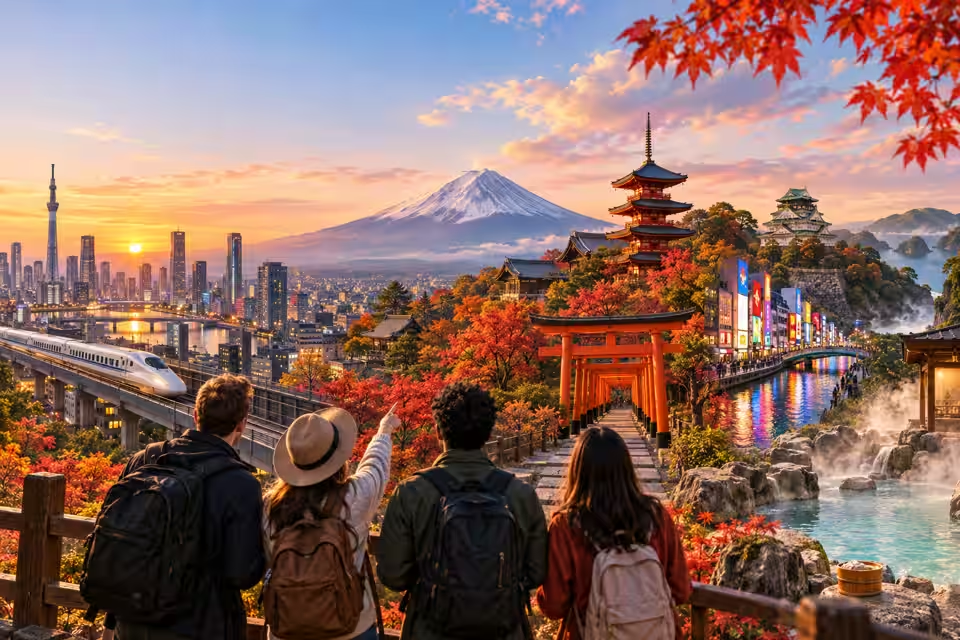
The comparison below separates published admission prices from transport details. It does not include accommodation, food, railway fares, ski equipment or lift tickets, and a missing price should not be read as evidence that an activity or journey is free. All figures and access times are the official published details checked on November 4, 2026; they are planning references, not guarantees of the conditions on your travel date.
| Possible focus | Published price or access detail | What to check before you go |
|---|---|---|
| Farm Tomita | Admission free; about a seven-minute walk from JR Lavender Farm Station, which operates only in summer | Seasonal hours and whether the station is operating for your visit |
| Asahiyama Zoo | Ordinary individual admission: ¥1,000 for adults; junior-high-school age and younger free | Opening calendar, seasonal hours and any ticket conditions for your group |
| Lake Toya Onsen | About 20 minutes by bus from JR Toya; a reservation-based bus from Sapporo Station is listed at about 2 hours 45 minutes | Whether the direct bus suits your date, or how your railway and local-bus connections fit together |
| Niseko | About 90 minutes by local train from Otaru | The full timetable and connection, because services are infrequent |
The entries are not interchangeable day trips. A farm with free admission may still take a substantial part of your day to reach, while a short local bus ride to an onsen area comes after you first get to JR Toya—or use the separate reservation-based service from Sapporo. Compare complete journeys rather than just the final local leg.
A useful planning choice is to make one experience the reason for the trip and treat other destinations as optional additions. This reduces the chance of building a schedule around a seasonal attraction that is closed or a train connection that does not work on your chosen date. If you want a city-focused stay instead, begin with Sapporo and add an excursion only after checking its actual access and calendar.
2. Things to do in Hokkaido: Farm Tomita and the lavender season
Farm Tomita is at Kisen Kita 15-go in Nakafurano. Hokkaido’s tourism organization lists admission as free and describes free parking for 500 vehicles. It also gives a walking time of about seven minutes from JR Lavender Farm Station, but that station operates only in summer, so it should not be assumed to serve the farm throughout the year. See the Hokkaido tourism information for Farm Tomita and the farm’s official website for date-specific visitor information.
The usual lavender viewing period is late June to early August. This is a general seasonal guide, not a guarantee that the flowers will be at peak color on a particular day. If lavender is the main reason for travelling to Nakafurano, choose dates with that usual period in mind, then check the farm’s current information rather than treating the range as a precise flowering forecast.
The tourism organization lists July hours as 08:30–18:00. By contrast, the farm’s own display on November 4, 2026 showed hours of 09:30–16:30. These are date- and season-specific details, not competing versions of one permanent timetable: the farm’s hours can vary by season and facility. Do not apply July’s longer hours to a November visit, and confirm the current display before setting off.
The tourism listing describes Farm Tomita as open year-round while also advising visitors to check official information in advance. That makes a current check especially useful if your trip falls outside the usual lavender season or you have a specific part of the farm in mind. The farm’s own visitor information is the appropriate place to check the schedule for your intended day.
The tourism page also describes the opportunity to view lavender and herb distillation facilities. If seeing those facilities is important to your visit, confirm their current visitor information directly; the general description does not establish a reservation requirement for every facility. Keep that distinction in mind when planning: a destination’s general description is not the same thing as a confirmed schedule or booking rule.
For drivers, the tourism listing gives an approximate 90-minute drive from Mikasa Interchange and lists free parking for 500 vehicles. For visitors arriving by rail, the listed walk from JR Lavender Farm Station is about seven minutes, subject to the station’s summer-only operation. These are alternative access details, not a complete door-to-door journey from Sapporo; work out the route to the farm for your own starting point and travel date.
3. Things to do in Hokkaido: Asahiyama Zoo without a calendar mistake
Asahiyama Zoo is in Kuranuma, Higashi-Asahikawacho, Asahikawa. Hokkaido’s tourism organization gives an approximate bus journey of 40 minutes from JR Asahikawa Station and an approximate drive of 20 minutes from Asahikawa-kita Interchange. It describes free zoo parking and nearby privately operated parking separately, so check the parking option that applies to your arrival rather than assuming every nearby space is free. See the tourism organization’s zoo access and visitor information.
The city’s admission page, updated October 1, 2026, lists ordinary individual admission at ¥1,000 for adults and free admission for junior-high-school age and younger visitors. It also lists an annual pass at ¥1,400, valid for one year from the first entry. The page allows ordinary individual tickets to be purchased online; check the Asahikawa City admission information for the current terms before buying.
There is an important group condition for online purchases. If several tickets are bought in one web transaction, the group must enter together; those tickets cannot be used separately. Web tickets also cannot be used at the connecting gate from Asahiyama Miura Garden. If members of your party may arrive separately, or if you plan to use that connecting gate, confirm which ticket option fits your entrance arrangement before completing the purchase.
The tourism page lists general hours of 09:30–17:15, with admission ending at 16:00, but it warns that hours can be shortened by season. It also lists closure periods including November 4–10 and December 30–January 1. The city directs visitors to a separate opening calendar, and that calendar—not a general-hours summary—is the right place to verify the zoo’s opening period for your date.
Make the calendar check before travelling to Asahikawa, particularly for a winter visit or a date near a listed closure period. A published general schedule does not confirm that the zoo is open on every day within a broad season. The same caution applies to the penguin walk: the tourism page presents it as a winter highlight, but its actual dates and times must be checked in the zoo’s current information. A winter visit does not by itself guarantee that the walk will take place on your chosen day.
The published bus and driving times are useful for comparing arrival options, but they do not include your journey to JR Asahikawa Station, time spent waiting, or any onward arrangements. Keep those pieces separate as you build the day. If you are planning around admission, the zoo’s official page provides the price and online-ticket conditions, while its current opening calendar provides the date-specific check.
4. Things to do in Hokkaido: Lake Toya as an overnight focus
JR Toya is the nearest railway station for Lake Toya Onsen. From the station, the Lake Toya Onsen tourism association lists Donan Bus or a taxi, with the bus journey taking about 20 minutes. This is a local connection from JR Toya, not the total journey from Sapporo. Check the Lake Toya Onsen access information when deciding how to combine the train with onward transport.
The same access page lists a reservation-based bus from Sapporo Station taking about 2 hours and 45 minutes. That is a different option from travelling by rail to JR Toya and then taking a local bus or taxi. When comparing the two, include the railway journey and connection time in the first option, and check the reservation requirement for the Sapporo bus before relying on it.
For an overnight stay, confirm the access details for the particular lodging you choose rather than treating the onsen area as one single stop. The access page does not establish individual accommodation prices, bathing prices or closing days. Ask the lodging or bath directly about its current price, opening day and route from the relevant stop; the association’s transport information is not a bathing-ticket menu.
The Toyako Onsen Tourist Information Center is at 142 Toyako Onsen, Toyako-cho. Its listed hours are 09:00–17:00, and Japanese- and English-language assistance is available. The telephone number is 0142-75-2446. These details can help if you need to ask about local access, but confirm any specific property’s arrangements with that property rather than assuming the information center’s details apply to it.
An overnight focus can give the transport plan a clear endpoint: reach the onsen area, check in or arrange a bath, and avoid treating the short local transfer as if it were the whole trip. That is a planning distinction, not a claim about a particular hotel or bathing experience. Prices and opening days remain specific to the place you select, so compare those directly before choosing where to stay.
5. Things to do in Hokkaido: Niseko, city bases and real travel scenes
The Niseko tourism association describes the railway approach from Sapporo via Otaru. It lists the Otaru–Niseko local-train segment at about 90 minutes and warns that services are infrequent. Check the full timetable and the connection through Otaru before departure; do not assume that another train will follow shortly if you miss a planned service. The current access description is on the Niseko Resort Tourist Association website.
The 90-minute figure covers the named local-train segment, not the full journey from central Sapporo. When planning the complete route, account for getting to Otaru and connecting there, using the current timetable for your date. The association’s access page is useful for understanding the route and its infrequent service, but it is not a complete price comparison for every possible journey.
Niseko is named by JNTO as a winter ski destination, while the access page itself does not provide resort-by-resort lift prices, rental plans, opening dates or booking conditions. Check those details with the particular resort you intend to visit. Keep transport, accommodation, lift access, equipment and meals as separate parts of your budget; the available access information does not establish a total ski-day cost.
For a city-based alternative, use a Sapporo travel guide to plan a central day first, then decide whether an excursion fits the dates and transport you have checked. This keeps a city stay distinct from a regional journey that depends on a specific train connection or seasonal facility. The supplied official information supports the attractions and access details described in this guide, but it does not provide a complete five-, seven- or ten-day itinerary or a full fare table between Hokkaido’s regions.
The social posts associated with this guide show several different sides of the region. @japan.explores’ reel opens on snow-covered Mount Yotei and presents Hokkaido’s winter scenery. @paidonnnn’s photo series moves through Sapporo and Otaru, while @locally.official’s Korean visual guide introduces eight Hokkaido cities and opens on a snowy Asahikawa street.
Other posts offer visual inspiration, not a substitute for checking a timetable or opening calendar. @lazycoup’s reel follows a first-snow Hokkaido tour from Bangkok, and its promotional format is distinct from an independent transport timetable. Dominic’s Facebook photo diary documents a couple’s Furano snowboarding trip, including arrival, food and riding. @tynadwijayanti’s summer Niseko reel combines flower fields, Mount Yotei views and food stops, a reminder that Niseko is not only presented as a winter setting.
6. Things to do in Hokkaido FAQ
These answers use the published information available for the destinations above. Opening schedules, transport connections and facility-specific prices can change or depend on the date, so use the relevant official page for the final check. The links in the answers lead to the sources that specify the applicable detail.
Is Farm Tomita free to enter?
Hokkaido’s tourism organization lists admission to Farm Tomita as free. That statement concerns entry to the farm; it does not include transport, food or other purchases. Check the farm’s official visitor information for the hours that apply to your date, because the published hours vary by season and facility.
Can I use JR Lavender Farm Station throughout the year?
No: the tourism listing describes JR Lavender Farm Station as operating only in summer. It gives a walk of about seven minutes from the station to Farm Tomita, but that access detail should not be treated as a year-round rail option. For a visit outside the station’s operating season, check another valid route using the farm’s current information and your travel date.
Is Asahiyama Zoo open every day at the general hours shown?
Do not assume that it is. The tourism organization lists general hours of 09:30–17:15, with admission ending at 16:00, but also warns of seasonal shortening and lists closure periods including November 4–10 and December 30–January 1. The city directs visitors to its separate opening calendar and admission page, so check that calendar before setting out.
Do online zoo tickets let a group enter separately?
No, not if multiple tickets were bought in one web transaction: the group must enter together, and the tickets cannot be used separately. The web tickets also cannot be used at the connecting gate from Asahiyama Miura Garden. Review the current ticket conditions on the city’s official admission page before selecting a purchase format.
How do I get from JR Toya to Lake Toya Onsen?
The Lake Toya Onsen tourism association lists Donan Bus or a taxi from JR Toya, with the bus journey taking about 20 minutes. That is the local connection from the station, not a complete trip from Sapporo. The association separately lists a reservation-based bus from Sapporo Station taking about 2 hours and 45 minutes; compare the two options using its current access information.
How should I plan the train to Niseko?
The access information describes travelling from Sapporo via Otaru and gives about 90 minutes for the local-train segment from Otaru to Niseko. It warns that services are infrequent, so check the timetable and the connection before departure rather than assuming a quick replacement service will be available. The Niseko Resort Tourist Association access page is the official starting point for that check.
Is the Asahiyama Zoo penguin walk guaranteed during a winter visit?
No such guarantee is established by the general description. The tourism page presents the penguin walk as a winter highlight, but the specific dates and times are not confirmed there. Check the zoo’s current information for the day you plan to visit instead of treating a winter photograph or general attraction description as a daily schedule.


)](https://i.ytimg.com/vi/2O78E5oSoWI/mqdefault.jpg)