A geisha experience Kamishichiken visitors can plan
Contents
A visit to Kamishichiken can mean watching a public dance performance, looking into a paid ozashiki experience, or checking whether the district’s seasonal events are open to visitors. These are different kinds of outings: a stage performance is not the same as a gathering with performers, and an event listing is not a confirmed booking. This guide explains what the official information establishes, what it does not establish, and how to check the details before arranging your visit.
On this page

- Where Kamishichiken is and how to reach the performance venue
- How performances and ozashiki experiences differ
- Events through the year
- How to check and book an experience
- Mistakes first-timers make
- Frequently asked questions
- Related guides
For your first decision, consider whether your priority is watching a dance or taking part in a gathering. The district’s spring performance is Kitano Odori, and its autumn performance is Kotobuki Kai; the local association also lists a summer beer garden. Kyoto City Tourism lists paid ozashiki experience plans, but its information does not establish that every plan takes place in Kamishichiken or includes games. Check the specific venue, program, price and booking conditions with the relevant organizer before you commit.
1. Where Is Kamishichiken, and How Do You Get There?
Kamishichiken is one of Kyoto’s five hanamachi, or geisha districts, and is in Kamigyo Ward, close to Kitano Tenmangu Shrine. The other four districts are Gion Kobu, Miyagawa-cho, Pontocho and Gion Higashi. Kamishichiken’s teahouse district extends along the shrine’s eastern approach, so a visit to the area can be planned around that local setting rather than treated as a performance venue alone. See Kyoto City Tourism’s Five Geisha Districts FAQ and the Ookini Foundation’s introduction to Kyoto’s five districts.
Kamishichiken is described as Kyoto’s oldest geisha district. Its name refers to seven teahouses, and its development is associated with the weaving culture of Nishijin, the textile area nearby. The district’s dance tradition follows the Hanayagi school, and its crest is described as five dumplings; these details offer a little context for what makes Kamishichiken distinct from the other Kyoto districts. The Japan Tourism Agency’s Kamishichiken profile explains the district’s history, while the Ookini Foundation provides information about its traditions.
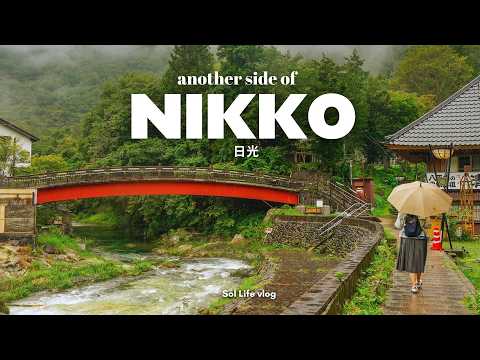
For a sense of the streets rather than a current event schedule, the existing guide points to Silent Kyoto Walks, which shows a rainy walk through Kamishichiken. A walking video can help you picture the district’s atmosphere, but it should not be used to infer current access, event dates or permission to approach performers. The same distinction applies to videos of past performances: they can illustrate an event without confirming that it will be offered to visitors this year.
The Kamishichiken Kabukai gives the following walking times to its performance venue:
| Starting point | Walking time to the venue |
|---|---|
| Kitano-Hakubaicho Station | 10 minutes |
| Kitano Tenmangu-mae bus stop | 3 minutes |
| Kamishichiken bus stop | 3 minutes |
The association’s address is 742 Shinsei-cho (真盛町742), and it states that there is no parking at the Kamishichiken performance venue. Use the Kamishichiken Kabukai’s official site to check district information, and plan to arrive on foot from one of the listed starting points if you are going to its venue. These walking times apply to that venue; if your chosen plan is held somewhere else, confirm the correct location and route with the provider rather than assuming it is nearby.
2. Compare Performances and Ozashiki Experiences
A geiko is a professional geisha performer, while a maiko is a trainee performer. A public dance performance lets visitors watch a program from an audience setting; an ozashiki experience is described as entertainment at a gathering with performers. The terms point to different formats, but they do not by themselves tell you what a specific booking includes. Confirm the location, performers, activities and conditions for the exact plan you are considering.
| Option | What the available official information says | What to confirm before planning |
|---|---|---|
| Kitano Odori | Kamishichiken’s spring dance performance | Current dates, program, seats, price and booking method |
| Kotobuki Kai | Kamishichiken’s autumn performance | Current dates, program, price and booking method |
| Paid ozashiki experience | Kyoto City Tourism lists paid ozashiki experience plans | Whether the specific plan is in Kamishichiken and what it includes |
| Summer beer garden | Kamishichiken Kabukai lists a summer beer garden | This year’s dates, price and booking conditions |
| Tourist bus course | Kyoto City Tourism lists a course where visitors can see maiko dance | Whether it visits Kamishichiken and what is included |
This comparison is about the formats and listings confirmed by the sources, not a ranking or a guarantee that each option is currently available. The Ookini Foundation’s performance information and the Kamishichiken Kabukai are useful starting points for district performances and events. Kyoto City Tourism’s Five Geisha Districts FAQ lists paid ozashiki plans and a tourist bus course, but the listing alone does not establish that either is in Kamishichiken.
If your main aim is to watch Japanese dance, begin by checking Kitano Odori or Kotobuki Kai. The Ookini Foundation identifies Kamishichiken’s dance as following the Hanayagi school, while the Japan Tourism Agency says Kitano Odori has been held annually since 1952. That historical record does not establish the dates, program or ticket availability for a future performance, so use current official event information for those decisions.
An ozashiki plan is the one to investigate if you want a gathering with performers rather than only a public stage show. The available city information confirms that paid plans are listed, but it does not provide enough detail here to compare their prices, durations, group sizes, languages or individual activities. Do not assume that the word “ozashiki” means a particular format or that a listing for Kyoto places the event in Kamishichiken; check the specific provider’s description and ask about anything important to your decision.
What About Ozashiki Games?
Ozashiki games are associated with gatherings of this kind, but the official information supplied for this guide does not name any local games or confirm that a particular Kamishichiken booking includes them. A plan that mentions an ozashiki experience should therefore not be treated as a promise of games. If playing a game is central to your visit, ask the provider directly whether it is included in that exact plan.
Ask as well how an activity is explained and whether any language support is available. The available official facts do not establish that every plan provides instructions in English, or that all plans include the same performers and activities. Celebrating Everyday with Piya shows a tea ceremony and maiko show at Kamishichiken, which can offer a visual example of one kind of experience; it does not confirm current booking conditions or the contents of another provider’s plan.
3. Events Through the Year
Kamishichiken’s calendar includes public performances and other seasonal observances, but not every event listed by the association is necessarily a visitor booking. Treat a date on a calendar as a reason to check the event page, not as confirmation that the public can attend or that seats are available. The Kamishichiken Kabukai site is the official place to begin checking the district’s calendar and current announcements.
The seasonal outline below preserves the distinctions in the available information. It does not supply a current year’s full schedule, ticket prices or booking conditions, because those details need to be checked with the organizer. A past video or annual calendar reference can help explain what an event is, but it cannot confirm the arrangements for the next occurrence.
Spring: Kitano Odori is Kamishichiken’s spring dance performance. Kyoto City Tourism says spring dances take place in four geisha districts from late March through May; that describes the overall season and is not a confirmed date range for every Kamishichiken performance. The Japan Tourism Agency states that Kitano Odori has been held annually since 1952, but visitors should still check the Ookini Foundation’s event list and Kamishichiken Kabukai for current dates and ticket details.
Autumn: Kamishichiken’s autumn performance is Kotobuki Kai. The available official facts identify the performance but do not give current dates, program details or ticket conditions. Check the district association’s current information before deciding which day to visit; a description of a previous year’s performance is not a substitute for a current schedule.
Summer: Kamishichiken Kabukai lists a summer beer garden. The available facts do not state this year’s dates, price, booking method or conditions, so confirm each of those details with the association before making plans. Ronin Dave’s video shows geisha dancing at beer gardens in Gion and Kamishichiken, but footage from a past event is only an illustration, not confirmation of the current program.
Other calendar points: Kamishichiken Kabukai lists a working-year opening ceremony on January 9, a Setsubun festival and plum blossom festival in February, a joint performance involving Kyoto’s five geisha districts in June, and Bon dancing before the Bon holiday. Its calendar also gives Hassaku on August 1 and a tea-offering ceremony on December 1. These are calendar references, not confirmed visitor bookings; check the association’s official site for that year’s details and whether an event is open to visitors.
Dave in Osaka shows geiko and maiko at a Kamishichiken opening ceremony, while Tatskie’s video shows a 2024 parade in the district during the Zuiki festival. Both can help illustrate past events, but neither establishes current access or gives permission to approach performers in the street. The Ookini Foundation also lists the joint performances Miyako no Nigiwai and Soshun Yume Butai, and its performance list links onward to the official associations for the districts involved.
4. How to Check and Book an Experience
Start with the kind of visit you want: a public dance performance, a paid ozashiki experience, or the summer beer garden. This choice makes it easier to compare like with like, since watching a stage performance is not equivalent to attending a gathering. If a particular activity such as ozashiki games matters to you, put that question to the provider before booking rather than relying on the general event label.
-
Open an official information source. For Kamishichiken performances and district events, begin with the Kamishichiken Kabukai. The Ookini Foundation performance list is another useful starting point because it links to official district associations. Kyoto City Tourism’s Five Geisha Districts FAQ is relevant when you are comparing city-listed paid ozashiki plans or the tourist bus course.
-
Check that the event is actually in Kamishichiken. Kyoto has five geisha districts, so an event described as a Kyoto experience is not necessarily in this district. Confirm the venue address as well as the event name; if the booking is not at the Kamishichiken performance venue, do not use the association’s walking times as though they applied to it. The city’s own listing of plans does not establish the location of every individual plan.
-
Verify the date and the current offering. Check the current year’s date, program and availability on the organizer’s information page. A seasonal description such as “spring dance” or “summer beer garden” helps identify the type of event, but it does not tell you which dates are operating this year. Videos and archived event pages may record previous occurrences without reflecting current arrangements.
-
Ask what the plan includes. Confirm whether you will watch a dance, meet geiko or maiko, take part in games, or attend another activity. Ask which performers and activities are part of the specific plan, rather than assuming two listings with similar names have the same program. If language support or explanations are important, ask the provider directly; the official facts available here do not establish what support each plan offers.
-
Confirm the booking terms and wait for acceptance. Ask for the total price, payment method, cancellation terms and any other conditions that matter to you. The supplied official facts do not give a general price list or shared booking rules, so do not assume that terms are the same across performances and experiences. An event page is not proof of a reservation: wait for confirmation from the organizer or provider and keep the details they send.
Kamishichiken Kabukai lists weekday office hours of 10:00–17:00. Those are office hours, not confirmed performance times and not a guarantee that a particular booking can be made throughout that period. The research behind this guide did not include an inquiry, payment or live availability check, so current vacancies and booking terms must be confirmed with the official source or provider.
5. Mistakes First-Timers Make
Assuming every Kyoto show is in Kamishichiken. Kyoto has five geisha districts, and an event or experience associated with Kyoto may take place elsewhere. Check the district and exact venue before arranging transport or making a booking.
Assuming games come with every ozashiki plan. The available facts do not confirm games for a particular Kamishichiken experience, nor do they explain what instructions or language support might be provided. Ask whether games are included and how they work before paying if that detail matters to you.
Using an old video as a current schedule. Videos of a parade, opening ceremony, beer garden or dance show what was filmed, not what will happen in the current year. Verify dates and conditions with the official organizer rather than planning around an upload.
Treating an event listing as a reservation. A calendar entry or event description does not mean that a seat or experience has been booked in your name. Wait for the provider’s confirmation and retain the booking details.
Stopping a performer for a photo. Kyoto City asks visitors not to stop, touch or follow geiko and maiko, and not to take photographs of them without permission. Give performers space and follow the city’s Responsible Travel guidance, rather than treating public streets as a photo opportunity.
6. FAQ
Can visitors watch a dance in Kamishichiken? Yes. Kitano Odori is the district’s spring performance, and Kotobuki Kai is its autumn performance. Check the Ookini Foundation and Kamishichiken Kabukai for current dates, ticket information and any booking details before you travel.
Can I play ozashiki games there? The available official facts do not confirm that games are included in a specific Kamishichiken plan. Ask the provider about the exact activities, and ask how any games are explained if that is important to your group. Do not infer what is included from the general term “ozashiki experience.”
How much does a geisha experience cost? The official facts available for this guide do not give prices for the performances, paid ozashiki plans or summer beer garden. Ask the organizer or provider for the total cost and any relevant payment conditions for your chosen event. Do not rely on an old price or assume that one plan’s price applies to another.
When is Kitano Odori? It is Kamishichiken’s spring dance performance, and the Japan Tourism Agency says it has been held annually since 1952. Kyoto City Tourism describes the wider spring-dance season across four districts as running from late March to May, but that is not a confirmed date range for a particular Kamishichiken show. Check the current official event information for the specific dates.
Is there parking at the performance venue? No. Kamishichiken Kabukai states that there is no parking at its performance venue. It gives a walking time of three minutes from the Kamishichiken bus stop and three minutes from Kitano Tenmangu-mae; the walk from Kitano-Hakubaicho Station is listed as 10 minutes.
Can I take photos of performers on the street? Do not photograph geiko or maiko without permission. Kyoto City also asks visitors not to stop, touch or follow them; read its Responsible Travel guidance before visiting. Footage of a past event does not change those instructions.
What is the official contact route for Kamishichiken information? The Kamishichiken Kabukai website provides district information and lists weekday office hours of 10:00–17:00. The available facts do not establish that all questions, reservations or bookings can be handled during those hours, so check the site’s current guidance and confirm the arrangements for the event you want. An inquiry or listing should not be treated as a confirmed reservation until the provider accepts it.