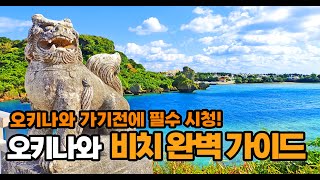
Okinawa Island Hopping: Choose the Island Group First
Contents
- 1. 1. Choose the island group and transport type
- 2. 2. Zamami and Aka: Mitsushima is a same-day ticket
- 3. 3. Aharen: check the on-demand booking conditions
- 4. 4. Check the monthly schedule and boarding instructions
- 5. 5. Build a flexible itinerary around confirmed connections
- 6. 6. Okinawa island hopping FAQ
For Okinawa island hopping, choose your base and the island group you want to explore before adding crossings to your plan. Then check the operator, departure port, return sailing and booking rules for each leg. A line between two islands on a map does not prove that a boat service exists or that two journeys connect.
The Kerama example in this guide covers access from the Naha area and the village routes between Zamami, Aka and Aharen. Miyako is a separate flight-based choice in the Japan National Tourism Organization’s itinerary guidance.
A short crossing can still require planning, and a published timetable does not guarantee a sailing in bad weather. Plan the return leg as carefully as the outward journey, especially if you have an onward flight or another fixed booking. This guide focuses on confirmed examples and explains where you need to check the exact service rather than assume that a route, price or connection is available.
1. Choose the island group and transport type
Start by deciding which island group fits the trip, then identify how you will reach it. For some journeys, the relevant comparison is between a ferry and a high-speed boat; for others, the official guidance points to a domestic flight. The estimates below are for the named services or links, not door-to-door travel times.
| Island or link | Published transport example | Journey estimate | Check before committing |
|---|---|---|---|
| Tokashiki | Ferry Tokashiki | About 1 hour 10 minutes | Sailing, departure port and reservation conditions |
| Tokashiki | Marine Liner Tokashiki | About 40 minutes | Sailing and current operation status |
| Tonaki | Ship service described by Okinawa tourism | About 2 hours | The selected service and its timetable |
| Kume Island, direct | Direct boat example | About 3 hours | Whether the service you select is direct |
| Kume Island via Tonaki | Via-Tonaki boat example | About 3 hours 30 minutes | Stop pattern and timetable |
| Naha–Miyako | JNTO domestic-flight example | About 50 minutes flying | Flight availability and airport arrangements |
The Okinawa ship guidance distinguishes Ferry Tokashiki from Marine Liner Tokashiki and gives their approximate journey times as 1 hour 10 minutes and 40 minutes respectively. Match the vessel name to the departure you actually plan to take; the shorter estimate belongs to the high-speed boat, not the ferry. The same guidance describes a route to Tonaki and both direct and via-Tonaki boat examples for Kume Island, so check which pattern applies to your chosen sailing.
An estimate for time at sea is only one part of a transfer. You also need to account for getting to the departure point, following the selected operator’s boarding instructions and continuing from the arrival point. Comparing a flight’s time in the air with the entire ferry outing would not give you a like-for-like measure.
JNTO introduces domestic flights within Okinawa to Miyako, Ishigaki and Kume Island, and gives a flying-time estimate of about 50 minutes from Naha to Miyako. That makes Miyako a different planning choice from the Kerama village crossings described below; it is not evidence of a boat link between the two areas. Check the flight that suits your dates and airport arrangements rather than assuming that every journey begins at the same ferry terminal. See JNTO’s flight and island-hopping guidance.
2. Zamami and Aka: Mitsushima is a same-day ticket
Zamami Village describes Mitsushima as a local route connecting Zamami and Aka. It lists four return journeys a day, a crossing time of 15 minutes and boarding at the Queen Zamami floating piers at both ports. For this particular route, the general adult one-way fare is ¥500 and the general child one-way fare is ¥250. The village’s Mitsushima page gives the route information and fare details.
| Mitsushima link | Published crossing time | Published fare and purchase rule |
|---|---|---|
| Zamami–Aka | 15 minutes | General adult ¥500 one way; general child ¥250 one way; reservations are not accepted, so buy on the day |
| Zamami–Aharen | 35 minutes | On-demand booking conditions apply |
| Aka–Aharen | 20 minutes | On-demand booking conditions apply |
The Zamami–Aka service does not accept reservations: the village says to buy a ticket on the day. That rule is specific to this link and should not be remembered as a rule for all Mitsushima services. The Aharen connections are on-demand services with advance-booking conditions, so check those separately before planning a visit.
Use the village’s port instructions to confirm where to board, rather than relying only on a place name in a map search. The published boarding point for the Zamami–Aka crossing is the Queen Zamami floating pier at each port, which is more specific than simply knowing that the boat serves Zamami and Aka. You can also open map searches for Zamami Port and Aka Port, then compare the map with the instructions for your selected sailing.
Four return journeys a day is a useful outline, not permission to arrive at any hour and expect a boat. Check the sailing table for your date and work backwards from the return departure when deciding how long to spend ashore. A day visit only fits if the actual sailings and your time on the islands work together.
3. Aharen: check the on-demand booking conditions
The Aharen service has different booking rules from the Zamami–Aka crossing. Zamami Village says that the on-demand service requires advance booking, has capacity for 12 people and accepts reservations from one month before the requested date until 17:00 on the previous day. The published one-way amount is ¥1,100: a ¥1,000 fare plus a ¥100 environmental cooperation tax. Check the village’s Mitsushima information for the Aharen route and its conditions.
The tax applies to passengers from high-school age, and this route has no child-fare category. Do not substitute the Zamami–Aka child fare of ¥250 for the Aharen fare conditions: they apply to different services. Confirm the applicable amount and passenger conditions when arranging the journey.
The village identifies Aharen Port and Tokashiki Port as different ports. Match the port in your confirmed booking to your travel plan, and do not assume that two services use the same quay or that a transfer between them is possible just because the port names are associated with islands in the same region. If you need to continue by land or take another boat, treat that as a separate arrangement and check its details independently.
The village lists a planned suspension of the Aharen route from 14–21 December 2026. Apply that date-specific notice to a December itinerary, and check current operation information as well as the general route description. A route page and a temporary suspension notice answer different questions, so read both when your date falls within or near a published service change.
For a practical booking check, open the Mitsushima and Aharen information, select the exact connection you need and compare your date with any published suspension or operation notice. Make the reservation within the stated period, no later than 17:00 on the previous day, and confirm the boarding port, passenger details and fare conditions. Keep the onward journey and any return sailing visible in your plan as separate arrangements. A map search for Aharen Port can help you compare a port name with the location identified in your confirmed booking.
4. Check the monthly schedule and boarding instructions
Zamami Village publishes sailing schedules by month, and says weather can change departure times or cause cancellations. Its guidance identifies the south side of Tomari Port as the boarding place for Ferry Zamami. Do not apply that boarding location to another vessel without checking that vessel’s own instructions. The village’s monthly ship schedules are the starting point for choosing the relevant month.
| Check | Published village information | How to use it |
|---|---|---|
| Schedule | Monthly sailing tables | Select the month of your trip and check the relevant service |
| Reservation opening | Same date one month before departure | Check availability when the booking period opens |
| Reservation reception | 10:00–17:00 | Make enquiries within the stated window |
| Passenger boarding | By 10 minutes before departure | Follow the instructions for your selected boat |
| Cargo acceptance | Closes 30 minutes before departure | Do not confuse the cargo deadline with the passenger deadline |
| Weather | Times may change; services may be cancelled | Check operational information before leaving for the port |
The reservation opening, reception window and boarding time are separate details. The village says reservations open on the same date one month before departure and lists reception hours of 10:00–17:00; it also asks passengers to board at least ten minutes before departure. Cargo acceptance closes thirty minutes before departure, which is a different requirement and should not be used as a passenger meeting time. The monthly schedule page provides the schedule information; check the relevant service’s instructions as well.
For questions about carriage, cancellations or the terms that apply to your reservation, use the village’s boarding-procedure page, which links to the transport conditions. The village lists 098-987-2614 for ship enquiries. Use the relevant operator’s information for your chosen service rather than borrowing a boarding or cancellation condition from another company or route.
Build the cost of transport from the actual services you confirm. Keep boat fares, any applicable tax, flights and separate land transport visible as separate items, and make sure the passenger categories in your budget match the service’s published conditions. For wider planning, the practical point is to avoid transferring a price or ticket rule from one island link to another.
5. Build a flexible itinerary around confirmed connections
Choose the island group and overnight base before adding crossings. For a shorter holiday, keeping one base can reduce the number of transport arrangements you need to coordinate. For a longer holiday, add another base only after checking the actual link, accommodation and how you will return to your departure airport; a suggested trip length alone cannot establish that a route works in every season.
For each leg, make a simple record of the operator, departure port, date, departure and arrival, booking method and next connection. Mark whether it is a flight, a reserved boat, an on-demand service or a same-day ticket. That distinction helps prevent you from applying one leg’s booking conditions to another, such as treating the Zamami–Aka same-day ticket rule as the rule for Aharen.
Work out the return as well as the outward journey before deciding how much time to spend on an island. For a day visit, the relevant question is not only whether there is a boat to the island, but whether the return sailing shown for your date leaves enough time for your plans ashore. If the published schedule does not fit, change the visit or the overnight plan rather than assuming another departure will be available.
If a boat is cancelled, first check the operator’s current notice and consider which of your accommodation and onward bookings may be affected. Do not assume that a different vessel will operate, that a taxi can replace an island crossing or that another company will accept your ticket. Make a contingency plan around the reservations you actually hold and identify which arrangements would need to change if the boat does not sail.
Avoid making an essential same-day flight connection depend on a boat arriving without disruption. Consider how a delay could affect your last night and the airport from which you depart. An extra night or alternative arrangement may help only if it is available and priced for your actual dates; no universal spare-day rule proves that a particular connection is safe.
The Kerama crossings in this guide and JNTO’s Miyako flight example are different transport choices, not parts of a single route. Keep separate records for them if your wider holiday includes more than one island group, and verify each connection with the relevant operator. This is especially important when the plan includes an onward flight, since a published crossing time is not a guarantee that the entire day will proceed as planned.
6. Okinawa island hopping FAQ
Can I reserve the Zamami–Aka Mitsushima crossing?
Zamami Village says reservations are not accepted for the Zamami–Aka crossing, and tickets are bought on the day. The listed crossing time is 15 minutes, and the village describes four return journeys a day. Check the schedule for your travel month and the day’s operation information before relying on a particular departure.
Is Aharen Port the same as Tokashiki Port?
No: Zamami Village explicitly identifies Aharen Port and Tokashiki Port as different ports. Match the port name in your confirmed booking to the service you plan to board. Check any separate land or boat transfer independently rather than assuming that the two services share a boarding point.
How much is the on-demand Aharen service?
The published one-way amount is ¥1,100, made up of a ¥1,000 fare and a ¥100 environmental cooperation tax. The tax applies from high-school age, and the route has no child-fare category. Confirm the full fare and passenger conditions when booking, because the child fare for Zamami–Aka does not apply to this service.
Is the Aharen route available every day in December 2026?
Zamami Village lists a planned suspension from 14–21 December 2026. If your trip falls in that period, do not include the route as though it were operating normally. Check the date-specific notice and current operation information before arranging the rest of your journey.
Does a monthly timetable guarantee that my boat will sail?
No. Zamami Village says weather can change sailing times or cause cancellations, so a monthly table is the planned schedule rather than a guarantee of operation. Check current operational information before leaving for the port and follow the selected service’s instructions.
Should I choose a ferry, high-speed boat or flight based on journey time alone?
No. The published estimates refer to named crossings or flying time and do not include every part of a transfer. Add the journey to the port or airport, boarding instructions and onward travel when comparing options. The relevant choice also depends on which island group you intend to visit and which service is actually available for your dates.
Can I use the Kerama boat examples to plan a trip to Miyako or Ishigaki?
No. The Kerama examples describe specific services involving Zamami, Aka and Aharen, while JNTO’s guidance describes domestic flights to Miyako, Ishigaki and Kume Island. Do not infer an island-to-island boat connection from those separate examples. Check the flight or boat operator and the actual route you intend to use.