Kansai Airport to Kyoto: HARUKA vs Bus (2026 Fares)
Contents
- 1. 1. Kansai Airport to Kyoto: compare routes and hotel areas
- 2. 2. Kansai Airport to Kyoto by HARUKA: tickets and boarding
- 3. 3. Kansai Airport to Kyoto by bus: stops, fares and booking
- 4. 4. Other Kansai Airport to Kyoto routes: connecting trains and taxis
- 5. 5. Kansai Airport to Kyoto rail passes: compare before buying
- 6. 6. Late arrivals, return trips and luggage
- 7. 7. Passengers’ questions and planning the rest of the trip
- 8. More useful travel guides
For Kyoto Station, compare the direct HARUKA train with the airport limousine bus. From 1 November 2026, the eligible-adult HARUKA one-way ticket costs ¥2,700, while the adult bus fare is ¥2,800; the train ticket has passport and entry-status requirements. These are direct fares, not a guarantee of the cheapest complete trip to every hotel. Fares, timetables and conditions can change, so check the official operator pages for your travel date.
1. Kansai Airport to Kyoto: compare routes and hotel areas
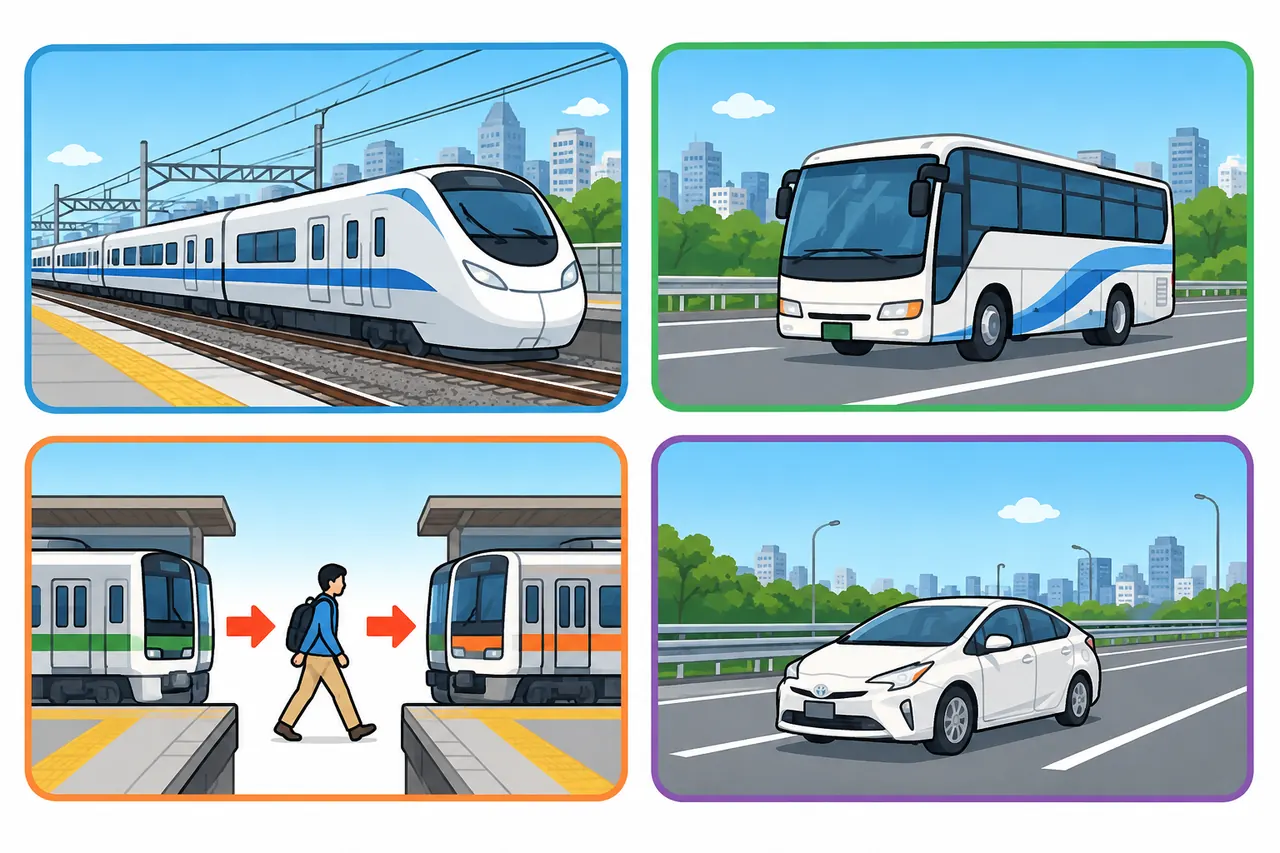
HARUKA and the airport bus both reach Kyoto Station without a change. Connecting trains, the Nankai Rapi:t with onward trains, and a taxi or private transfer are alternatives, especially if your hotel is not near Kyoto Station. A limited express normally requires a regular fare and an additional express charge, while a visitor ticket may include the charges for its specified journey.
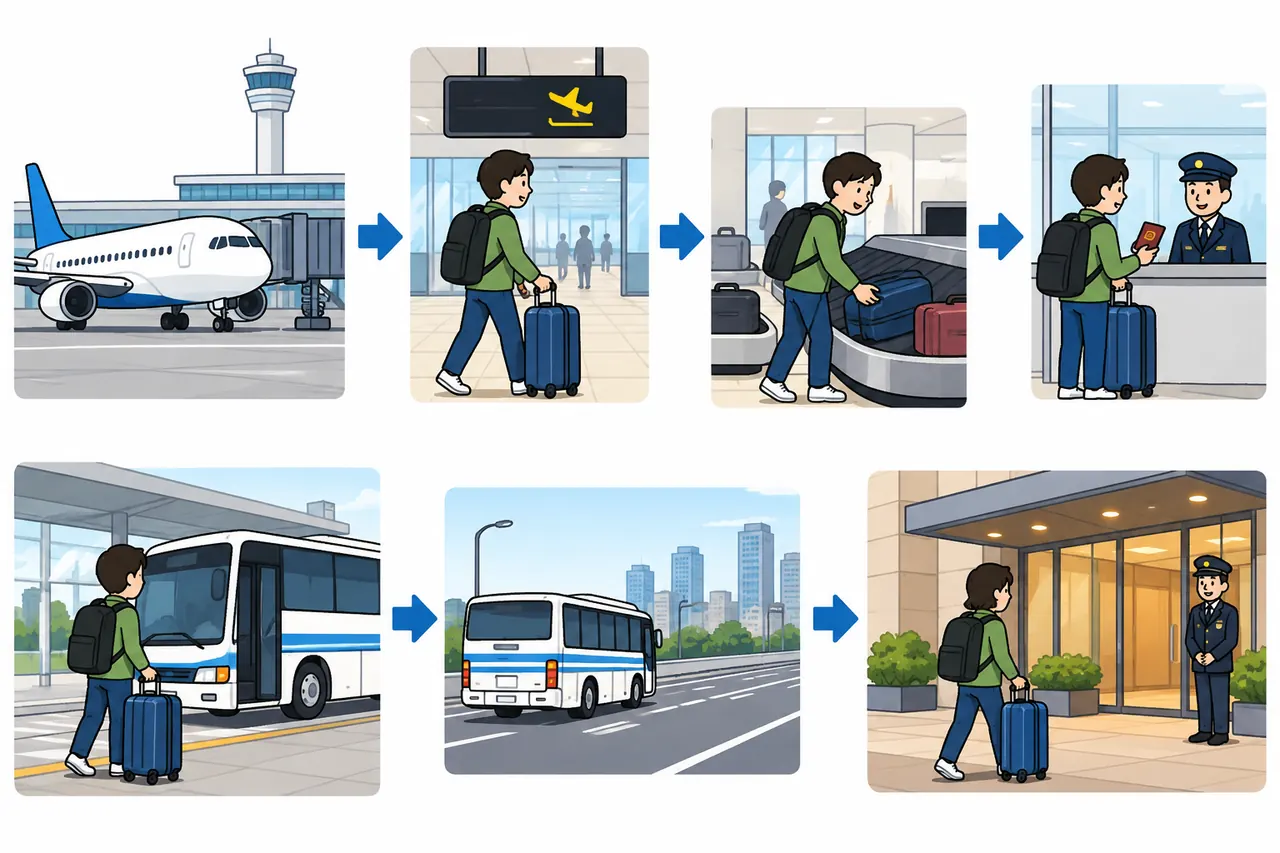
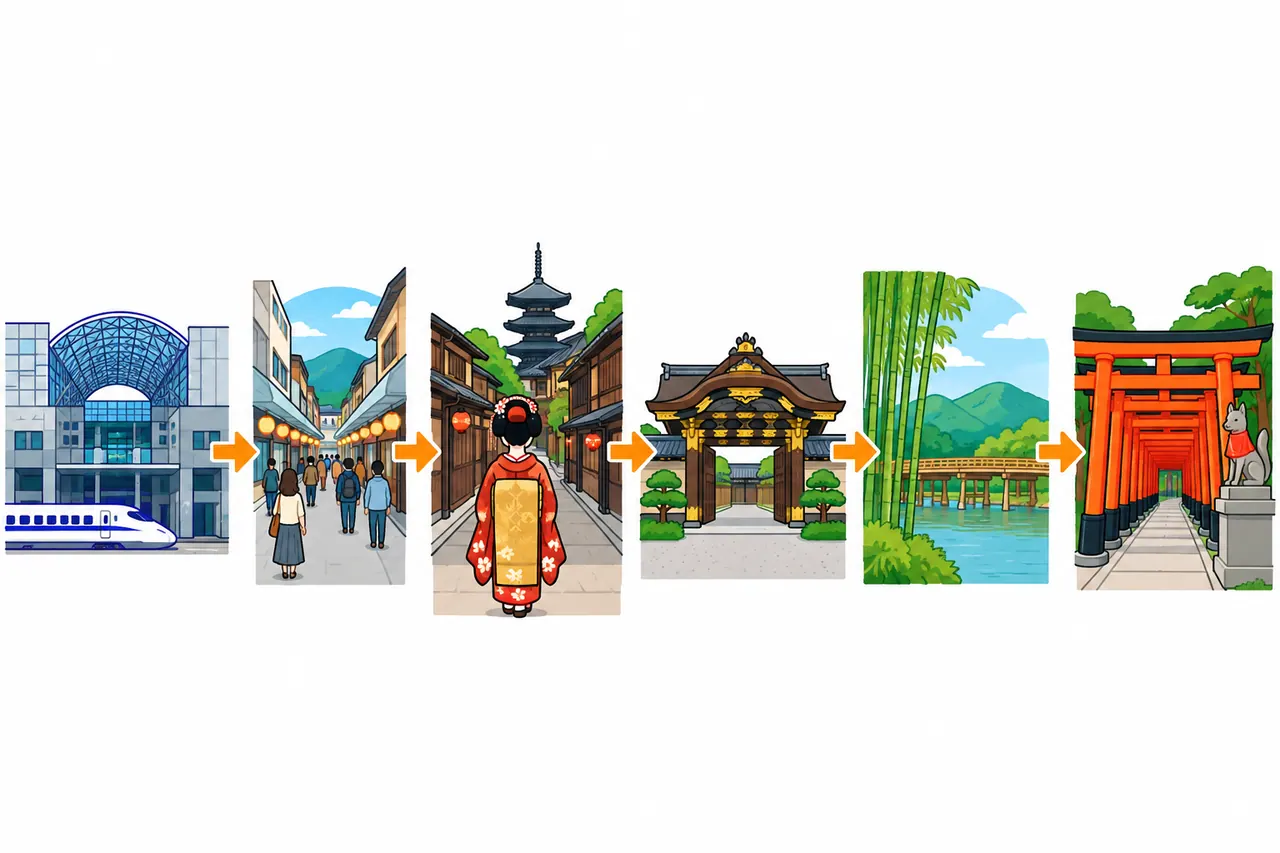
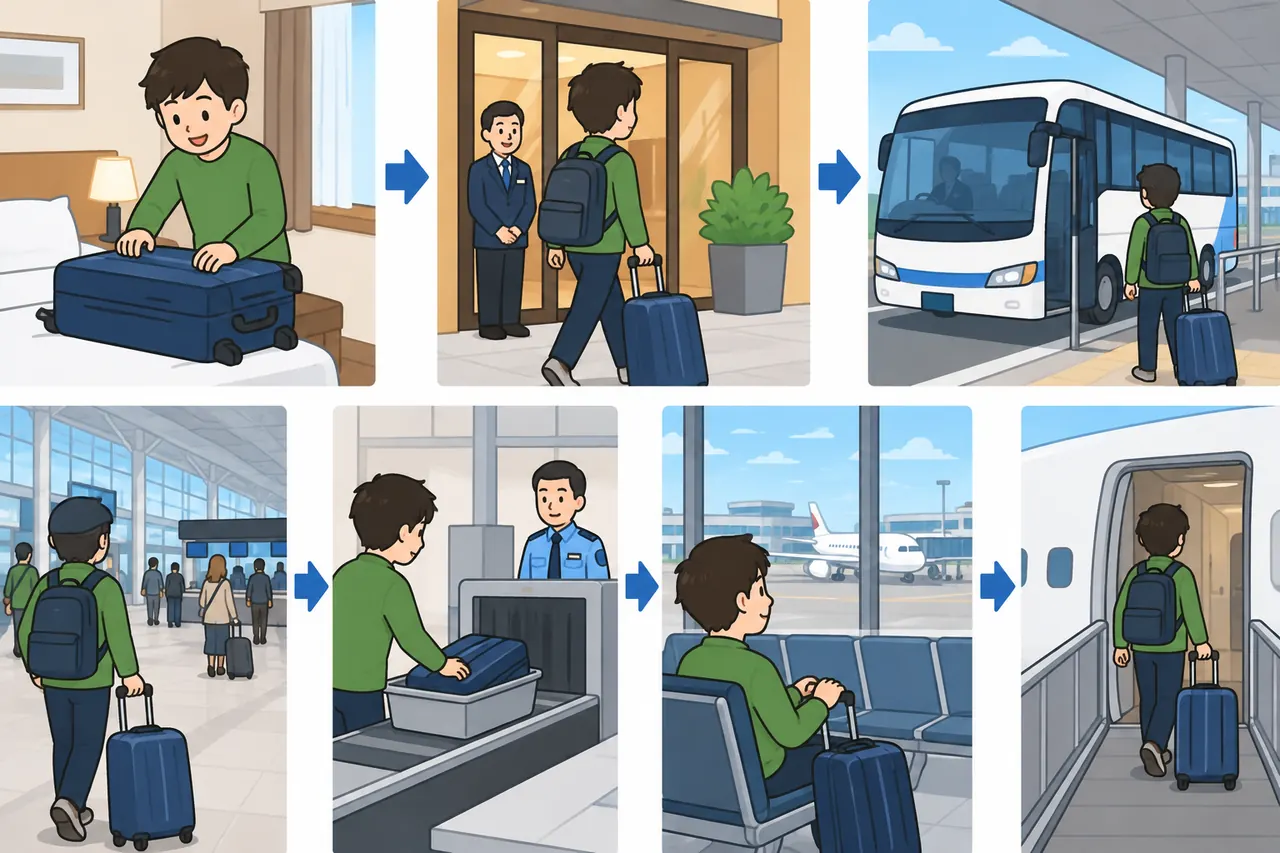

| Option | Destination or section | Published time | Published adult fare | Changes |
|---|---|---|---|---|
| HARUKA visitor ticket | Kyoto Station | Check the train timetable | ¥2,700 for an eligible ticket bought from 1 November 2026 | None |
| Airport limousine bus | Kyoto Station Hachijo Exit | About 85–90 minutes from Terminal 1 | ¥2,800 one way | None |
| JR connecting trains | Kyoto Station or another JR stop | Search for your date | Search for your date | Check the route result |
| Nankai Rapi:t and onward trains | Depends on connections | Search for your date | Rapi:t to Tengachaya: ¥1,410 in a regular seat; onward fares extra | Required for Kyoto |
| Taxi or private transfer | Address you give the operator | Ask the operator | Request a quote | No train or bus change |
The HARUKA fare is for the visitor ticket sold from 1 November 2026, and eligibility conditions apply. The Rapi:t price covers only its stated airport-to-Tengachaya section, not the journey to Kyoto. For current details, compare the JR West HARUKA ticket, Kansai Airport Transportation Kyoto route and Nankai Rapi:t ticket.
Compare the complete journey, not just the ride
For a direct, eligible-adult ticket to Kyoto Station, HARUKA is ¥100 less than the one-way bus fare. That does not establish the cheapest route to your hotel: the fare comparison excludes onward transport, and the visitor ticket is not available to everyone. The fastest option also depends on your arrival time, the next service and where you are going.
To compare trains, open JR West’s English travel information, enter your stations and travel date, and note the fare, arrival time and changes. For the bus, check the KATE Kyoto timetable and confirm the departure, arrival and stops for the service you plan to use. Add the route from the arrival station or stop to your hotel before deciding.
| Group, one way to Kyoto | HARUKA visitor tickets | Bus tickets |
|---|---|---|
| One adult | ¥2,700 | ¥2,800 |
| Two adults | ¥5,400 | ¥5,600 |
| Two adults and one child | ¥6,750 | ¥7,000 |
These examples cover only the airport-to-Kyoto trip. The HARUKA figures assume that every passenger qualifies for the visitor ticket and buys a ticket sold from 1 November 2026; the child example uses the ¥1,350 child fare for ages 6–11. Bus child fares are shown as ¥1,400 in the published route information, but check the operator’s rules for a child’s age and seat needs before buying.
Choose a route to match your hotel area
The routes below are options to compare, not confirmed fastest or cheapest choices. Use your hotel’s address and travel date in a current route search, and consider how far you will need to carry your bags after arriving. For Kyoto Station, the direct HARUKA and airport bus are the straightforward comparisons.
| Hotel area or first stop | What to compare | Official map or search |
|---|---|---|
| Kyoto Station | Direct HARUKA and airport bus | Kyoto Station bus-stop map |
| Kawaramachi or Gion | A connecting route and a route through Kyoto Station | JR West travel information |
| Nijo | Kyoto Station, then onward transport | Nijo Castle map and information |
| Arashiyama | Kyoto Station, then onward transport | Saga and Arashiyama area map |
| Fushimi Inari | Kyoto Station, then a route to JR Inari Station | Fushimi Inari access information |
| Your hotel door | Taxi or private transfer | Ask an operator for an address-specific quote |
For help choosing a base, use a Kyoto accommodation guide and check your hotel’s precise location rather than relying on the district name alone. If Arashiyama is part of your trip, the area map identifies places including Togetsukyo Bridge, the Bamboo Grove and Tenryu-ji. Fushimi Inari Shrine is close to JR Inari Station; its address is 68 Fukakusa Yabunouchicho, Fushimi-ku, Kyoto.
Station names and address to show staff
These Japanese names can help when asking for directions or checking a ticket. Kyoto Station and the Kyoto Station bus stop are not the same address, so use the bus-stop map when locating the coach. The Kyoto Station Building address is 901 Higashi-shiokoji-cho, Shimogyo-ku, Kyoto, or 京都市下京区烏丸通塩小路下る東塩小路町901, according to JR West’s station-building information.
| English | Japanese |
|---|---|
| Kansai Airport Station | 関西空港駅 |
| Terminal 1 | 第1ターミナル |
| Terminal 2 | 第2ターミナル |
| Kyoto Station | 京都駅 |
| Kyoto Station Hachijo Exit | 京都駅八条口 |
2. Kansai Airport to Kyoto by HARUKA: tickets and boarding
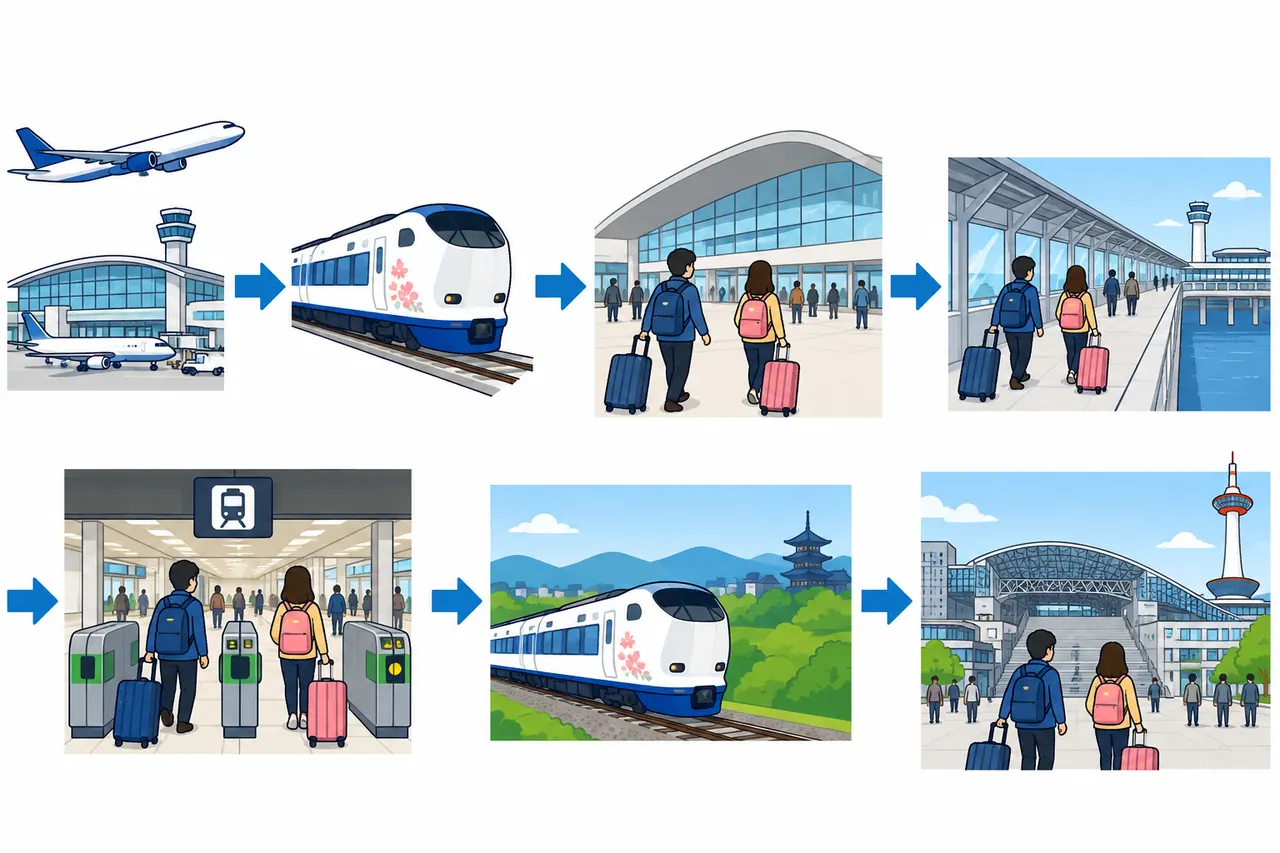
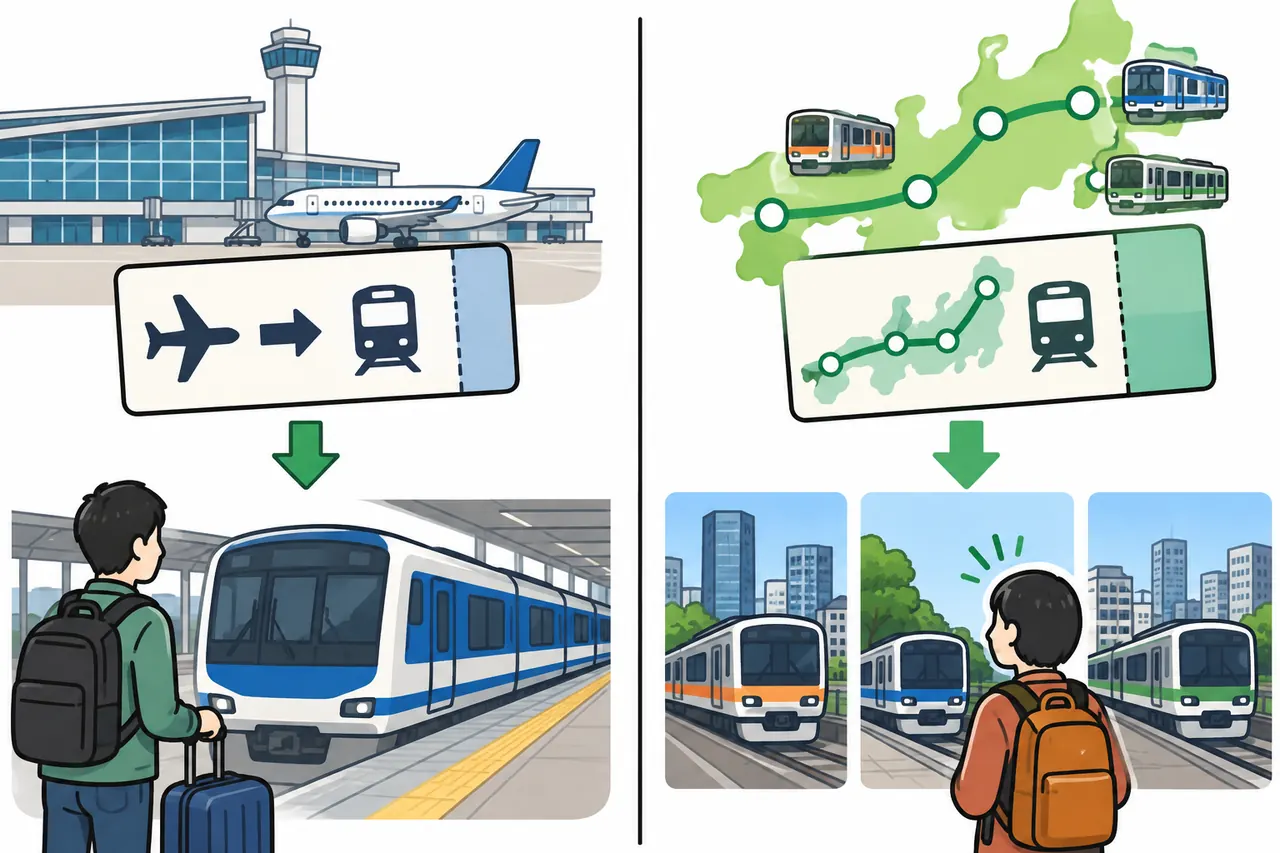
HARUKA is a JR West limited express train running directly between Kansai Airport Station and Kyoto Station. The visitor one-way ticket includes the charges for the covered HARUKA trip, but passengers who do not qualify should check JR West’s current normal fare and express charge rather than assuming the visitor price applies. Read the ticket conditions before paying, especially if you are using a pass or a ticket bought through an agency.
Who qualifies for the visitor ticket?
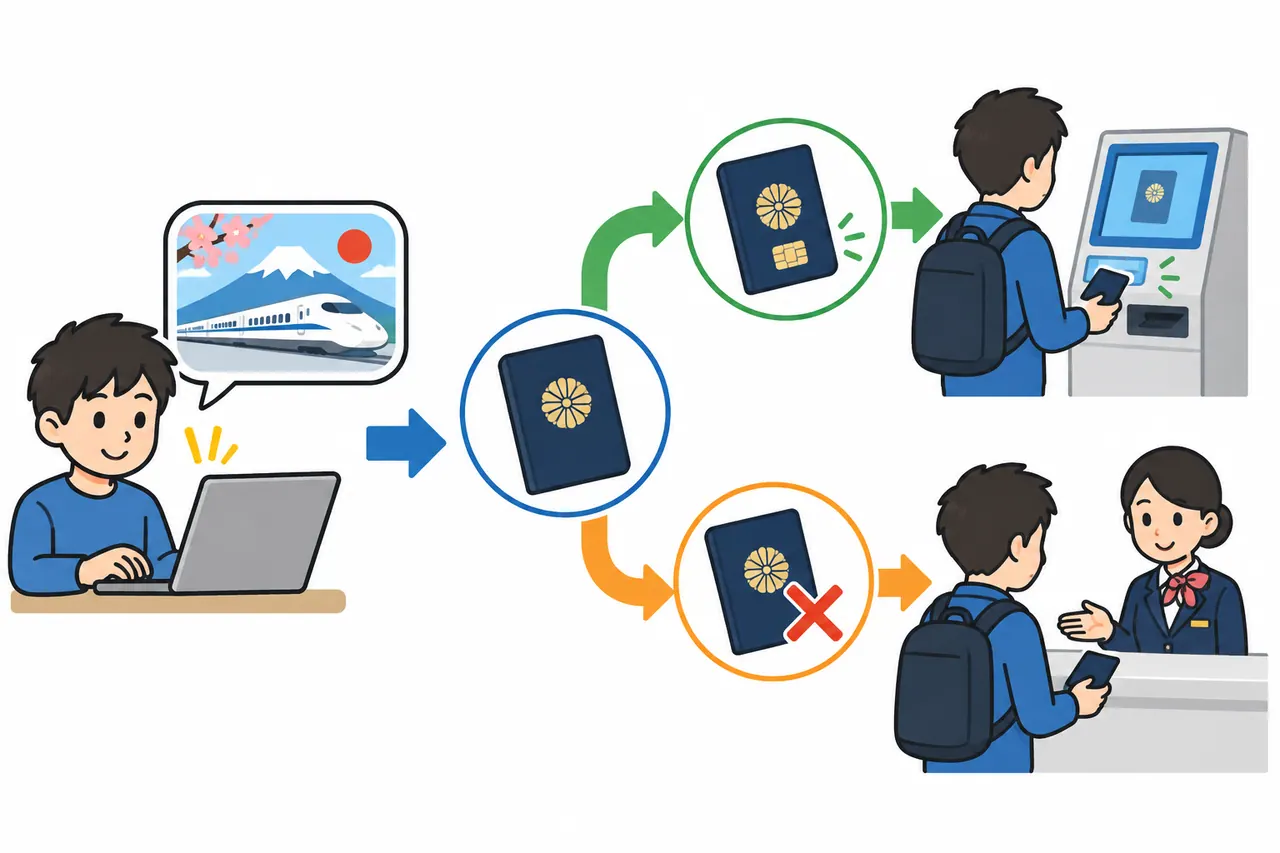
The ticket is for people entering Japan with a passport issued by a foreign government and the Japanese Temporary Visitor status. JR West requires the passport when the ticket is collected. Japanese citizens cannot use the ticket, even if they have permanent residence abroad; see the full conditions on the JR West HARUKA ticket page.
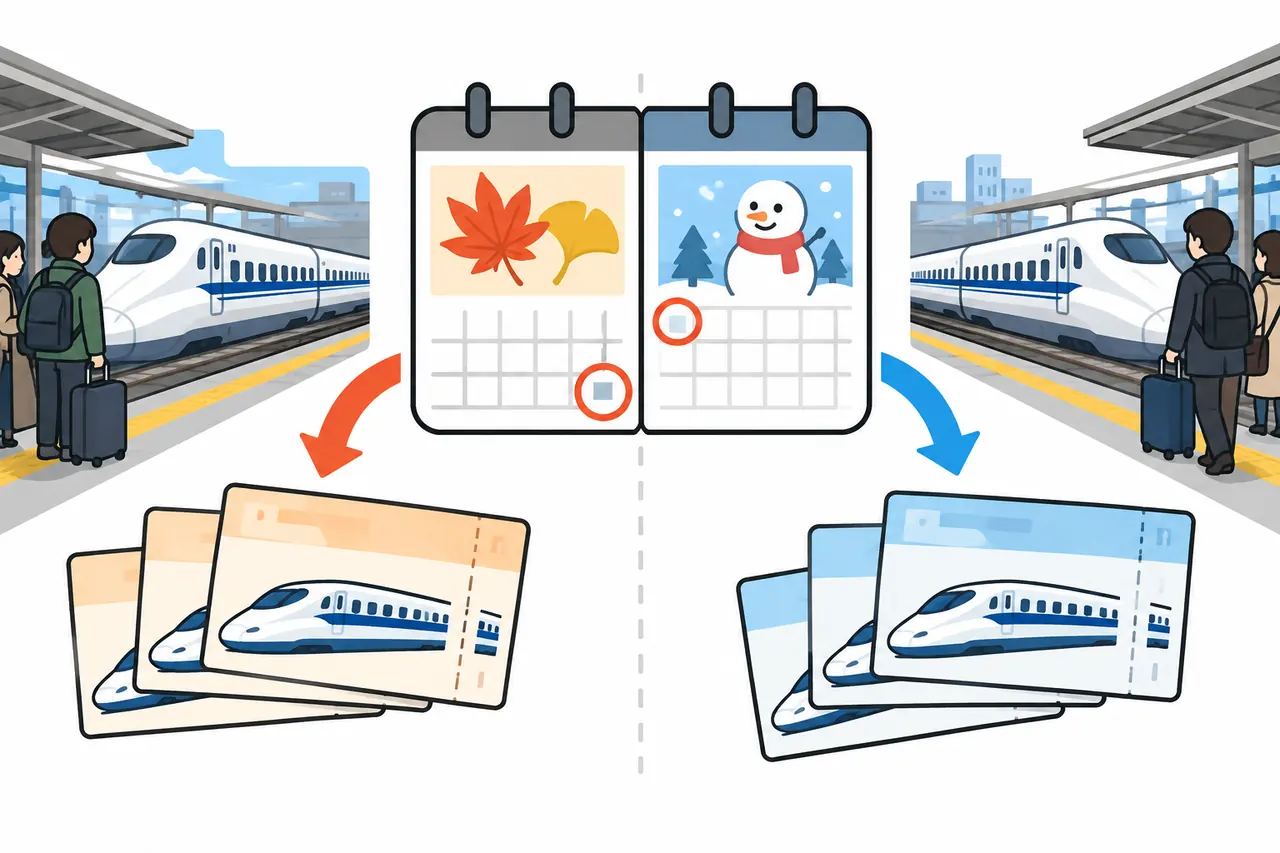
The price depends on when the ticket is bought, not when the passenger travels. The older sale period and the new sale period therefore have different prices; these are not contradictory prices for the same sales conditions. Check the use period printed or stated for the individual ticket before travel.
| Ticket sale period | Kyoto adult | Kyoto child | Note |
|---|---|---|---|
| Through 31 October 2026 | ¥2,200 | ¥1,100 | Published use period for that product ends 28 February 2027; check the individual ticket |
| From 1 November 2026 | ¥2,700 | ¥1,350 for ages 6–11 | Check the current ticket conditions |
For the older product’s sale and use conditions, consult the JR ticket detail; for the product sold from 1 November, use the later JR ticket detail. A child fare is not a general statement about every young child’s ticket needs: age and seat use can affect what must be bought, so ask the operator about your circumstances.
Buy and collect a ticket
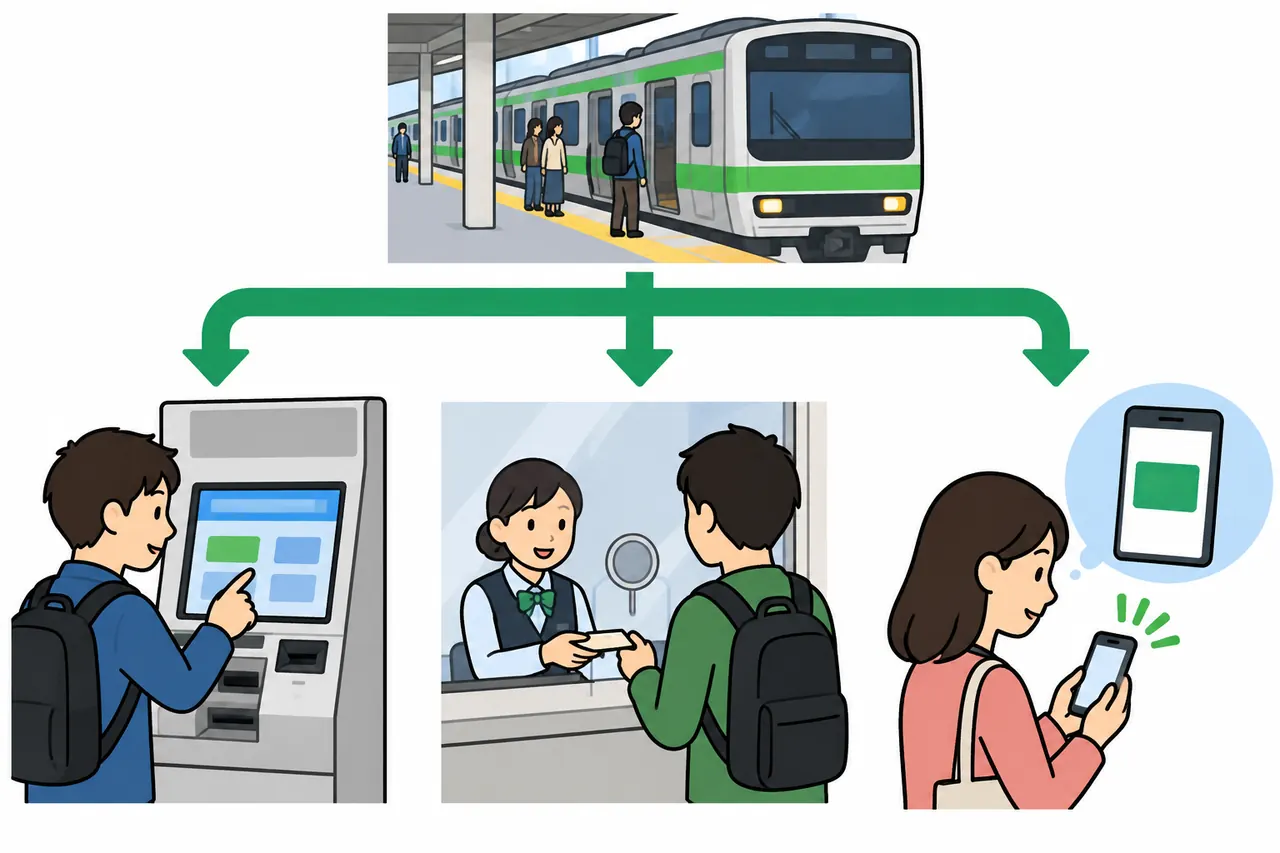
JR West sells the visitor ticket online, and eligible overseas travel agencies also sell ticket products. JR West says this visitor ticket is not sold at shop counters in Japan. Buying and collecting are separate steps, and the collection process depends on which product you purchased.
| Purchase method | What happens next | Important condition |
|---|---|---|
| JR West online booking | Collect a paper ticket | Use an accepted credit card |
| Overseas agency E-TICKET | Exchange it at a specified place in Japan | Exchange within three months of issue |
| Agency WEST QR ticket | Add the voucher online and use a live QR code | Requires an internet-connected phone |
JR West online booking opens at 10:00 Japan time on the same date one month before travel. Virtual cards and cards without a printed number are not accepted for this booking. For an online paper-ticket purchase, bring the booking number, the four-digit number set for the booking, the payment card and your passport when collecting; use a ticket machine only if your passport has an IC chip the machine can read, otherwise go to a ticket counter.
Seats, gates and WEST QR
A reserved seat is assigned to you; a non-reserved seat is an available seat in a car for a passenger without an assigned seat. The paper visitor ticket covers HARUKA standard-class reserved or non-reserved seats, subject to its rules. It can also cover eligible local JR trains on the routes stated by the ticket, but it does not cover the Tokaido Shinkansen; a Green Car or another limited express requires the necessary additional ticket before boarding.
WEST QR is displayed as a live code on a phone rather than exchanged for paper. Register the agency voucher on the WEST QR website; a screenshot or printout of the QR code is not accepted for boarding. For the WEST QR HARUKA ticket, reserve a seat in the car allowed by the ticket; if that car is full, use a non-reserved seat, not a reserved seat in another car.
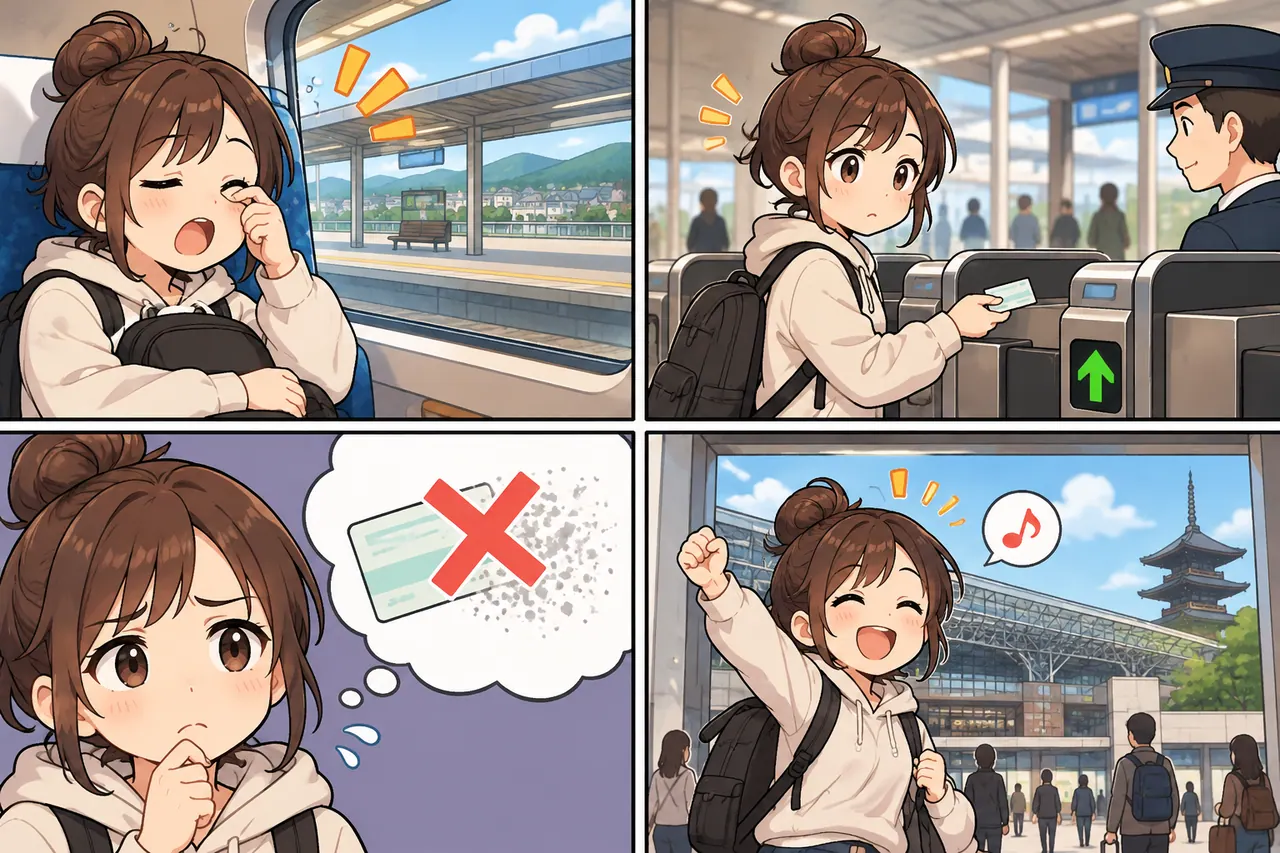
With either ticket type, leaving the ticketed route through an intermediate station’s ticket gate makes the remaining section invalid. For a paper ticket, seats can be reserved online, at a ticket machine or at a counter according to the product’s rules. Check the exact conditions attached to the product you purchased rather than assuming every HARUKA ticket has identical seat arrangements.
Refunds and cancellations
Paper-ticket refunds are generally handled at the place where the ticket was exchanged, and the fee can increase close to departure. The following fees apply to the paper-ticket situations described by JR West; they are not a promise that an agency or online booking has the same cancellation terms. Check the seller’s rules before making a cancellation.
| Paper-ticket situation | Refund fee |
|---|---|
| Reserved-seat ticket not yet received | ¥560 |
| Reserved-seat ticket received, up to two days before departure | ¥560 |
| Reserved-seat ticket received, from the day before until departure | 30% of the express charge before discount, plus ¥220; minimum ¥560 |
| Ticket used or past its validity period | No refund |
For an unexchanged E-TICKET, contact the overseas agency that sold it. For online bookings and WEST QR, ask the seller about its conditions rather than applying the paper-ticket fees automatically. The JR West HARUKA page is the starting point for the current ticket rules.
Walk from the terminals to the train
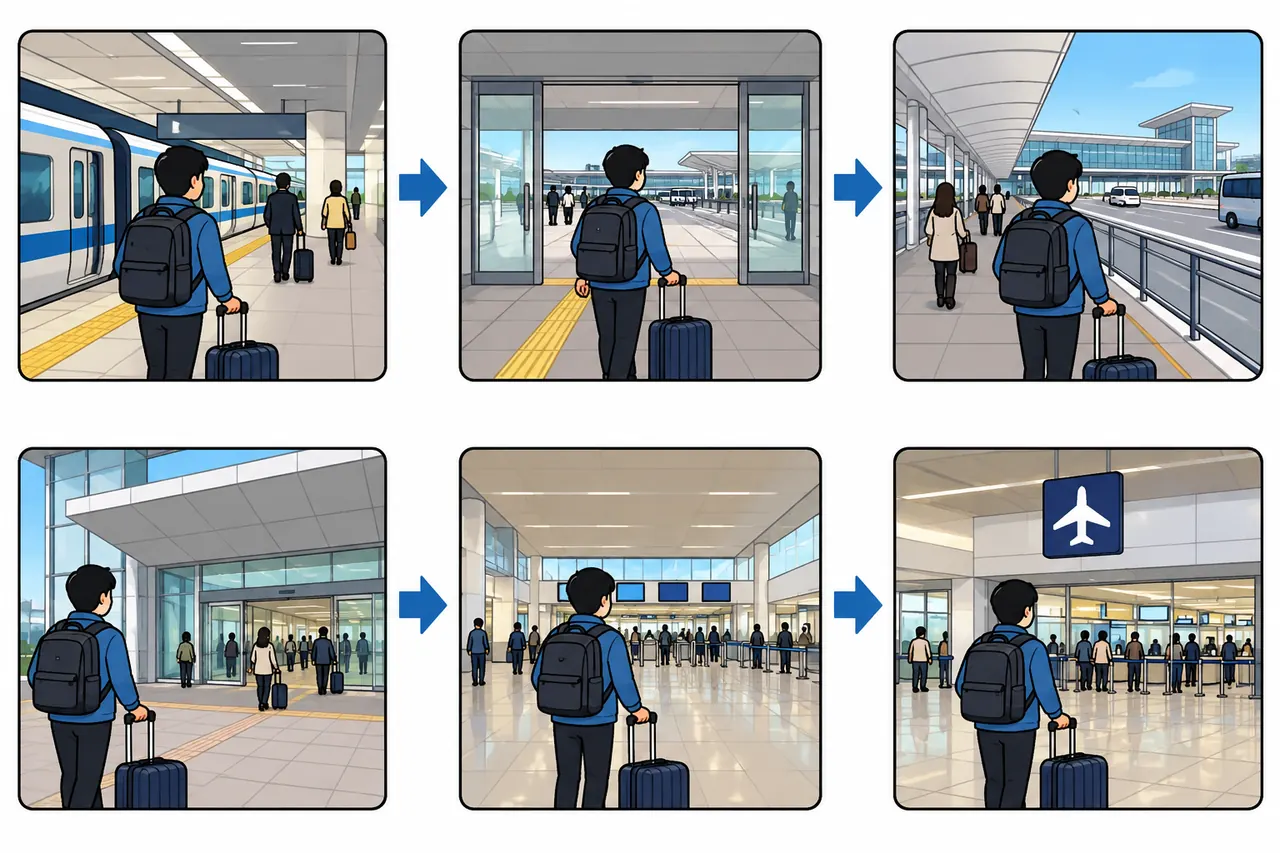
From Terminal 1, go to the second floor and follow signs across the connecting bridge to Kansai Airport Station and the JR gates. Check the train and platform using the day’s station information before boarding; JR West’s airport train guide shows station access. After boarding the Kyoto-bound HARUKA, leave at Kyoto Station.
If you arrive at Terminal 2 and want to use the train, allow for the transfer to Kansai Airport Station. A Nankai Bus timetable dated 25 August 2025 lists a free shuttle from the domestic stop to Aeroplaza taking about seven minutes, excluding waiting time; it is historical information, not a guarantee for your travel date. Check the current Nankai Bus airport timetable and the dated 2025 timetable before relying on it. Terminal 2 also has a Kyoto-bound bus stop, but confirm that the particular service calls there.
3. Kansai Airport to Kyoto by bus: stops, fares and booking
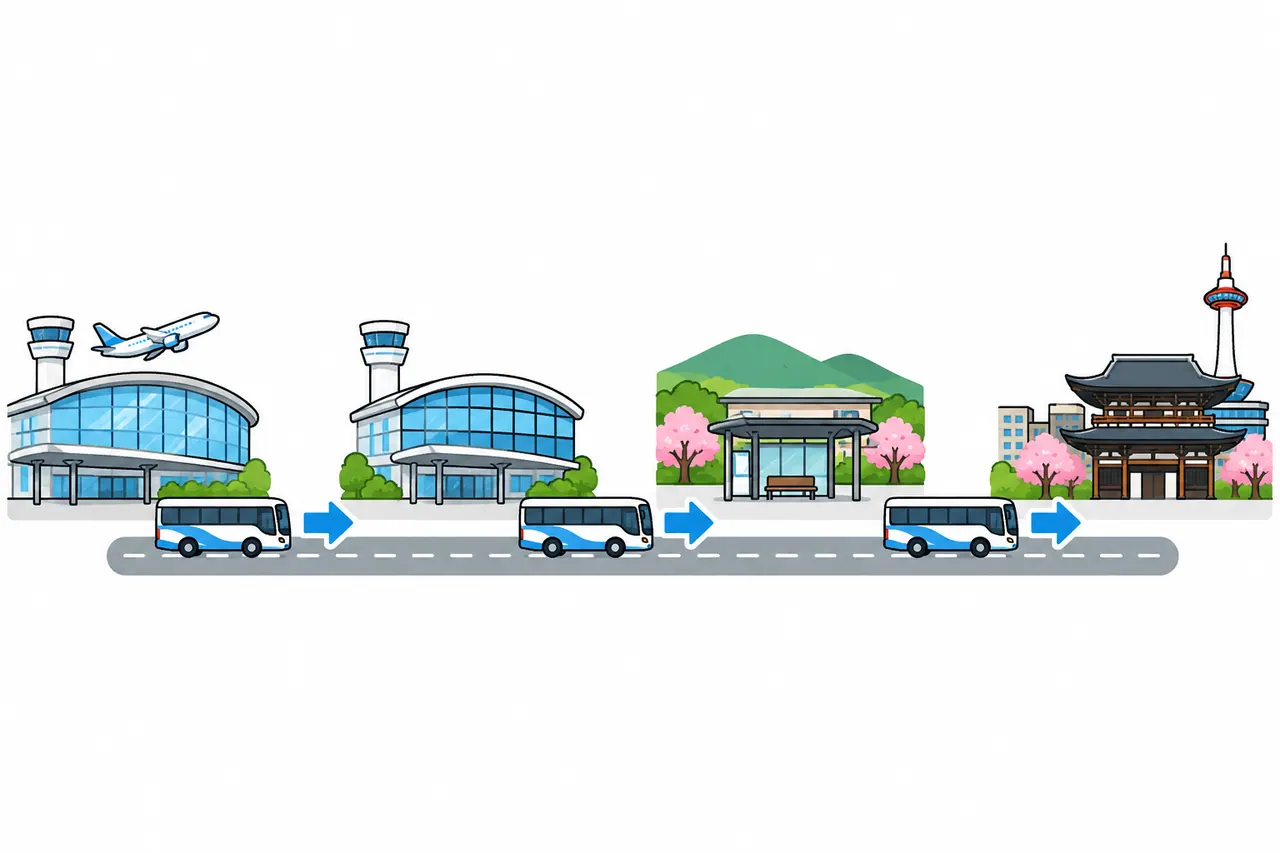
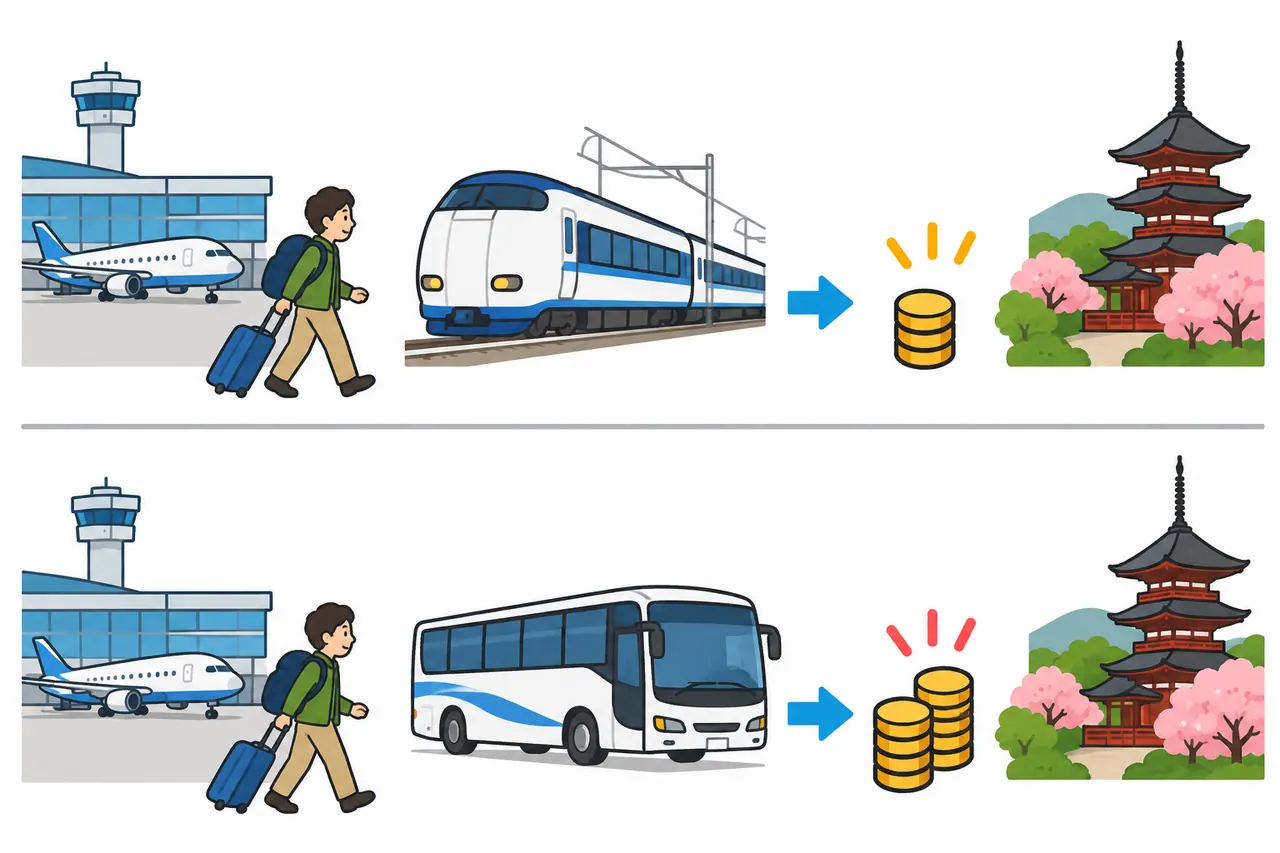
The airport limousine bus goes to Kyoto Station Hachijo Exit, and some services also serve Kosoku Kyotanabe. Kosoku Kyotanabe is a separate stop, not Kyoto Station, and not every bus serves it. Compare the stop list and direction for the specific service rather than assuming every departure follows the same route.
Fares and published travel times
Kansai Airport Transportation lists the bus from Terminal 1 to Kyoto Station Hachijo Exit at about 85–90 minutes. Its listed time from Terminal 1 to Kosoku Kyotanabe is about 65–70 minutes; the actual trip depends on the service and its stops. For current times and fares, use the KATE Kyoto route page.
| Ticket | Adult fare | Child fare | Listed validity |
|---|---|---|---|
| One way | ¥2,800 | ¥1,400 | One trip |
| Round trip | ¥5,100 | Check KATE | 14 consecutive days from first use |
| One-day round trip | ¥4,100 | Check KATE | One day |
| Bus section | Published time |
|---|---|
| Terminal 1 to Kyoto Station Hachijo Exit | About 85–90 minutes |
| Terminal 1 to Kosoku Kyotanabe | About 65–70 minutes |
| Terminal 1 to Terminal 2 | About 11 minutes |
| Terminal 2 to Terminal 1 | About 15 minutes |
Some buses do not stop at Terminal 2 or Kosoku Kyotanabe. Some services reach Terminal 2 first, so check the stop order as well as the departure time. The times above are published route information, not a guarantee for a specific journey or date.
Find the airport and Kyoto stops
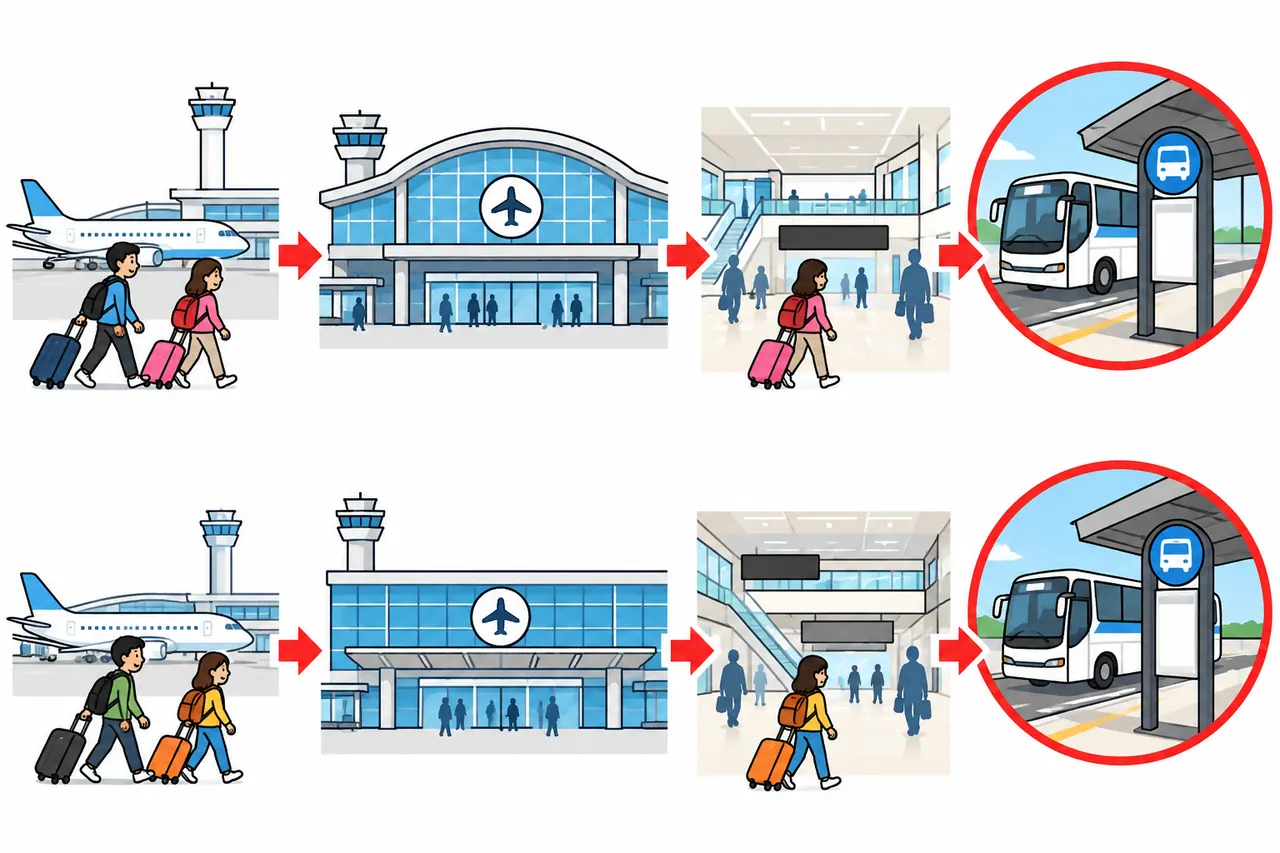
At Terminal 1, the Kyoto bus stop is on the first floor at stop 8. At Terminal 2, the Kyoto stop is stop 2; check the airport’s official bus-stop map and confirm that your service uses that terminal. At Kyoto Station Hachijo Exit, H3 is the arrival stop and H2 is used for airport-bound departures; the Kyoto Station stop page includes a map.
| Place | Stop | Useful official information |
|---|---|---|
| Terminal 1 | First floor, stop 8 for Kyoto | Airport bus-stop map |
| Terminal 2 | Stop 2 for Kyoto | Airport bus-stop map |
| Kyoto Station Hachijo Exit | H3 arrivals; H2 airport-bound departures | Kyoto Station bus-stop map |
| Kosoku Kyotanabe | KY1; not served by every bus | KATE Kyoto route |
Start by checking the terminal on your flight booking. Then open the airport stop map, locate the Kyoto stop and read the route timetable for your date; if you need Terminal 2 or Kosoku Kyotanabe, verify the stop list for the exact departure. This helps avoid reaching the correct stop for a different service.
Booking, machines and refunds
KATE describes buses to Kansai Airport as reservation services, but its Kyoto Station Hachijo Exit information says that passengers without reservations may board if seats are free. KATE also says web booking is available to people who do not yet have a ticket. Check the current Kyoto route page for airport-to-Kyoto booking instructions and the Kyoto stop page for the return journey.
At the Kyoto Avanti first-floor information office, the listed ticket-machine hours are 4:10–23:00 and counter hours are 7:10–17:40. Credit-card use at the machine is listed for 5:15–23:00. Those are published hours, so recheck the stop information before setting out, especially for an early bus.
The Keihan Bus Reservation Center number is 075-682-4400, but its listed closing times conflict: KATE’s route page says 18:00, while the stop and user-guide pages say 19:00. Do not rely on the later closing time without checking. KATE lists a ¥100 refund fee per ordinary or round-trip ticket; other costs can depend on the purchase method, and refunding only the return portion of a round-trip ticket involves deducting the adult one-way fare and the fee from the round-trip price. Ask the seller about reservation cancellation as well as the ticket refund.
Bus luggage and accessibility
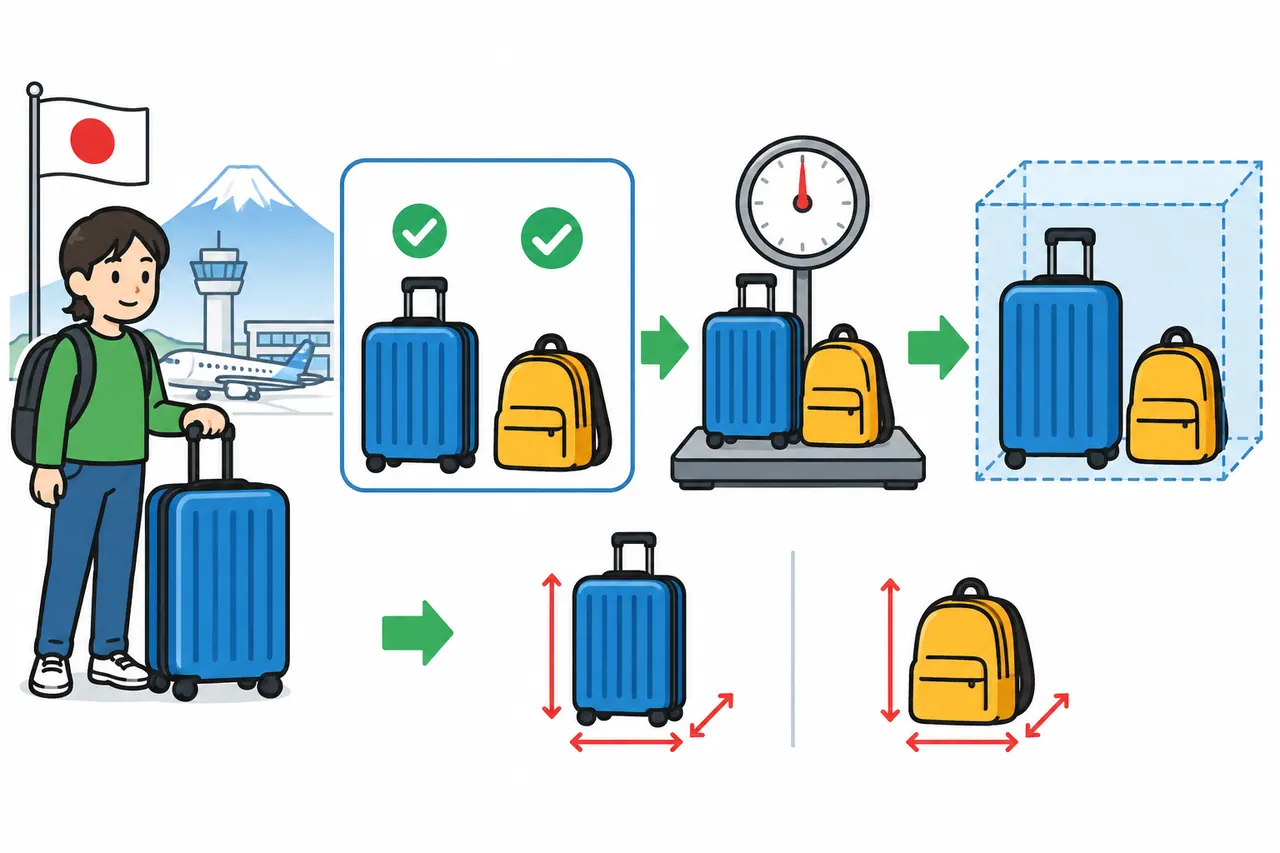
KATE allows up to two items per person in the luggage compartment under the bus, with a combined weight of no more than 30 kg and a combined volume of no more than 0.25 cubic metres. Each item must have a length, width and height total of no more than 2 metres. Keep valuables and mobile batteries out of the compartment, as well as bags that fit at your feet or on the luggage shelf.
KATE says passengers cannot remain seated in a wheelchair on its ordinary limousine buses. Ask the bus operator in advance about electric wheelchairs and confirm the arrangements with the company operating your particular service. The KATE user guide provides the published luggage and accessibility conditions.
4. Other Kansai Airport to Kyoto routes: connecting trains and taxis
Connecting trains may suit passengers whose destination is away from Kyoto Station, but compare the whole journey rather than one section’s fare. A taxi or private transfer removes the need to change trains or buses, but a price and travel time for your exact hotel have not been established here. Check every section and any onward transfer before choosing.
JR connection through Osaka
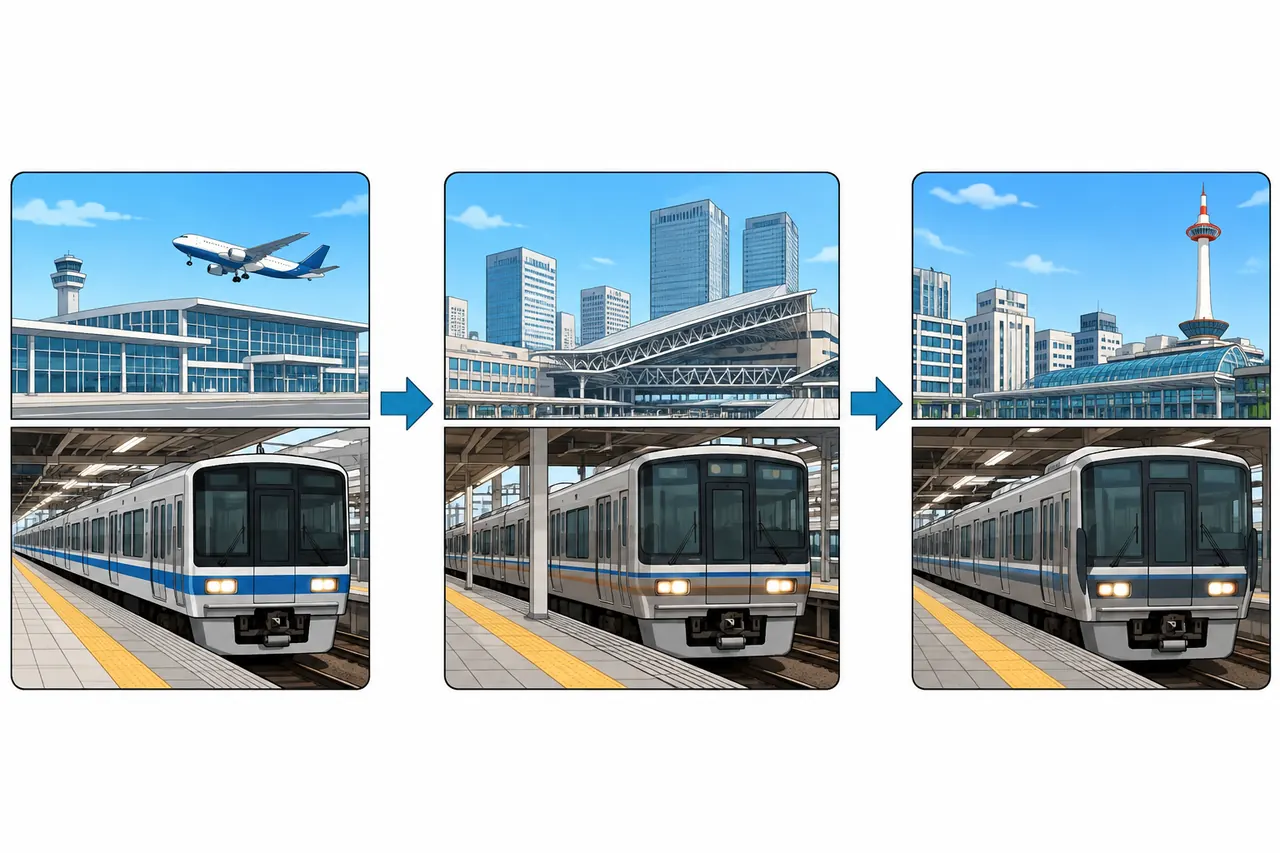
A Kyoto tourist-office guide dated August 2025 describes a route through Osaka Station using the Kansai Airport Rapid and the JR Kyoto Line Special Rapid. It lists about 30 minutes from Kyoto to Osaka, about 70 minutes from Osaka to Kansai Airport and a total fare of ¥1,860; those are historical figures, not confirmed current fares or times for your trip. Use JR West’s route search or its My-Dia timetable search for the date and time you plan to travel.
Enter Kansai Airport and Kyoto as your stations, choose your date and time, and inspect the route results for total fare, arrival time and changes. Compare the complete result with the ¥2,700 HARUKA visitor ticket if you qualify. A low fare for one train section does not establish that the connecting route is cheaper after all required sections and the trip to your hotel are included.
Nankai Rapi:t and onward trains
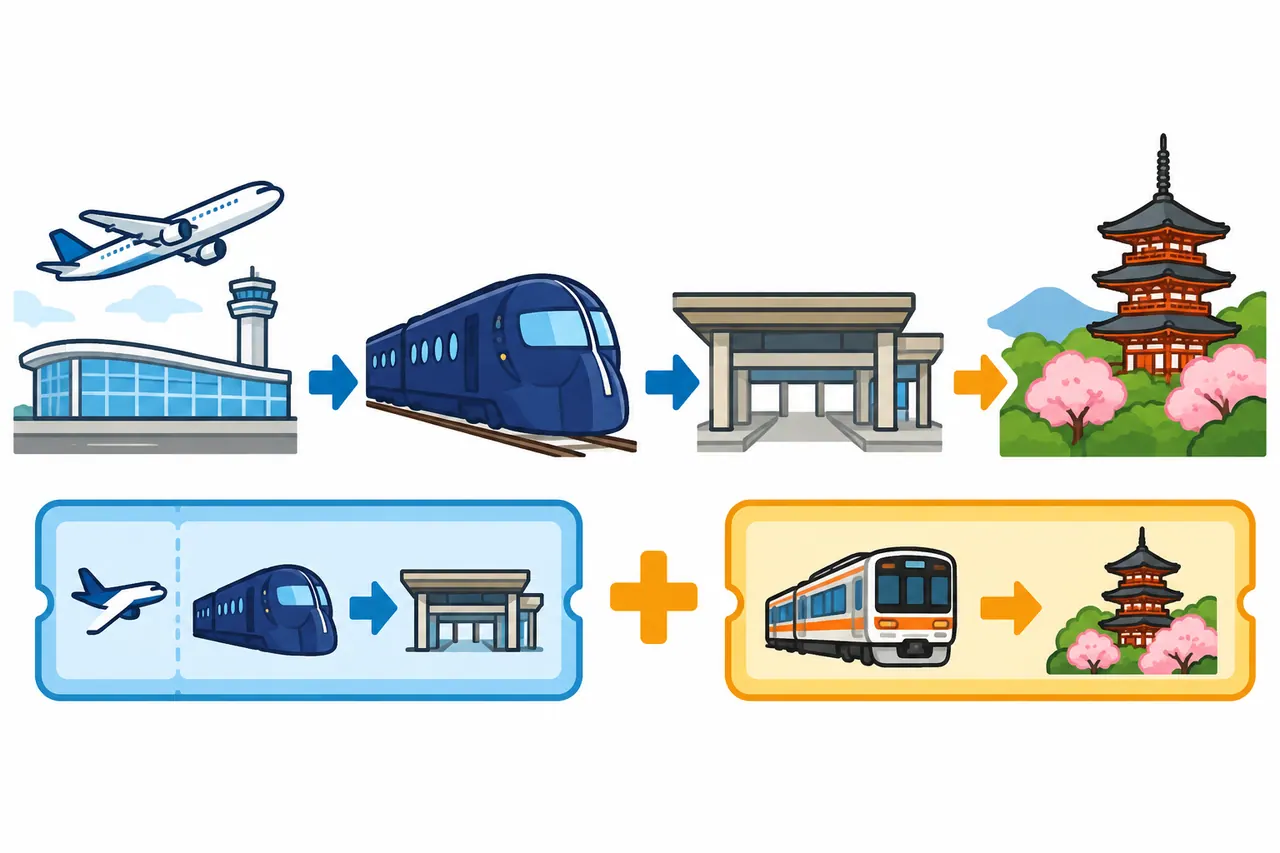
Rapi:t is a Nankai Railway limited express. Nankai’s digital ticket can cover the fare and express charge for the specified section from Kansai Airport Station to Tengachaya Station, but Kyoto requires further connections and fares. The figures below are for that Rapi:t section only, not a complete price to Kyoto.
| Rapi:t seat | Adult | Child |
|---|---|---|
| Regular | ¥1,410 | ¥710 |
| Super | ¥1,590 | ¥910 |
After buying the digital ticket, choose the travel date, train and seat on your phone. Nankai says a seat can be secured until five minutes before departure from the boarding station; confirm current terms on the Rapi:t ticket page. Then enter your airport and Kyoto stations in a current route search, check each change and departure time, and add every section’s fare before comparing the total.
Taxi or private transfer
A taxi or private transfer can take your group to the address you provide without a train or bus change. The price, travel time and booking rules for a particular Kyoto hotel are not confirmed here, so ask the operator for a quote before paying. Give the operator your exact destination, passenger count and luggage details.
| Ask before booking | What to confirm |
|---|---|
| Total price | Does it cover your exact pickup and hotel address? |
| Bags | Is there enough space for everyone’s luggage? |
| Payment | Which payment methods are accepted? |
| Changes | What are the cancellation conditions? |
Do not assume a general quoted fare applies to your group or destination. Confirm what the quote includes and how changes or cancellations are handled. If you are considering an operator’s fixed-price or larger-vehicle service, ask that operator directly rather than relying on an unverified estimate.
5. Kansai Airport to Kyoto rail passes: compare before buying
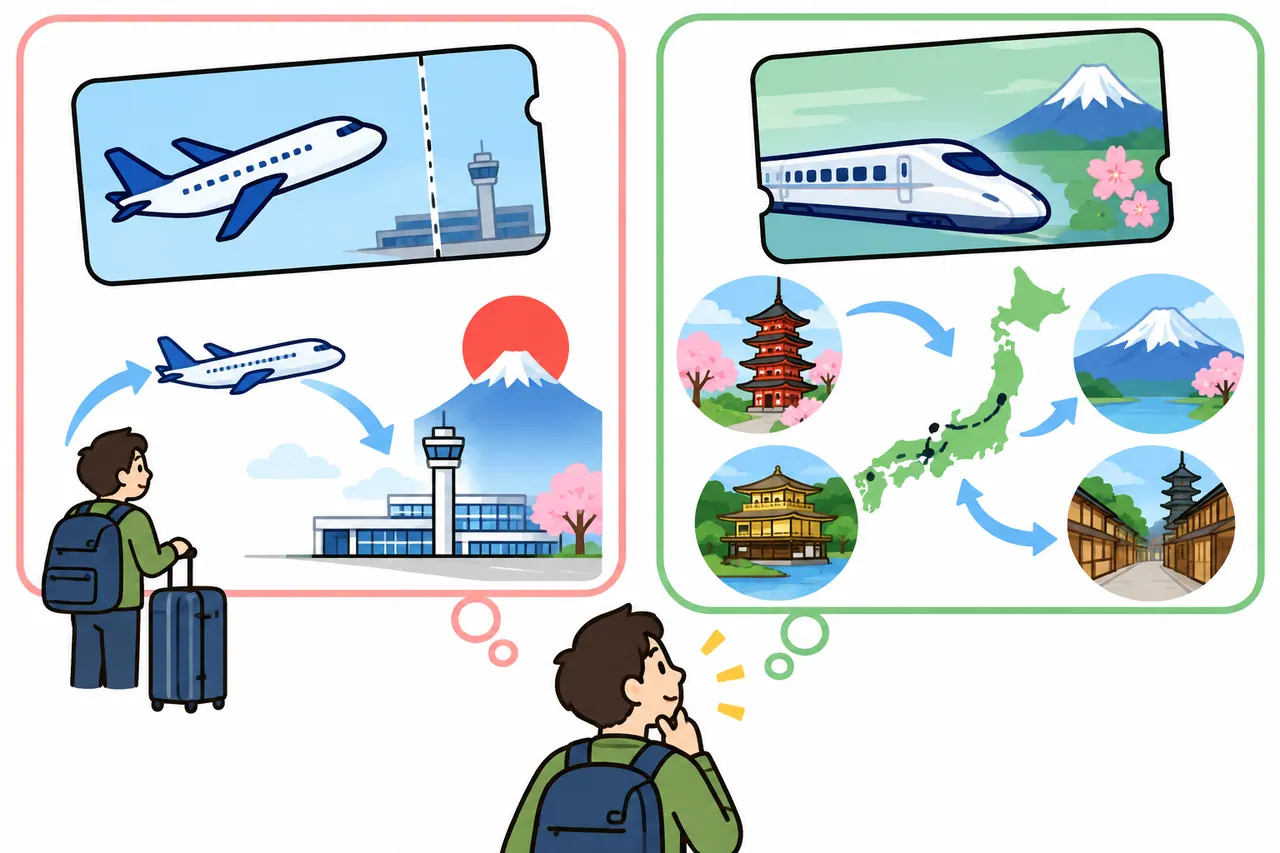
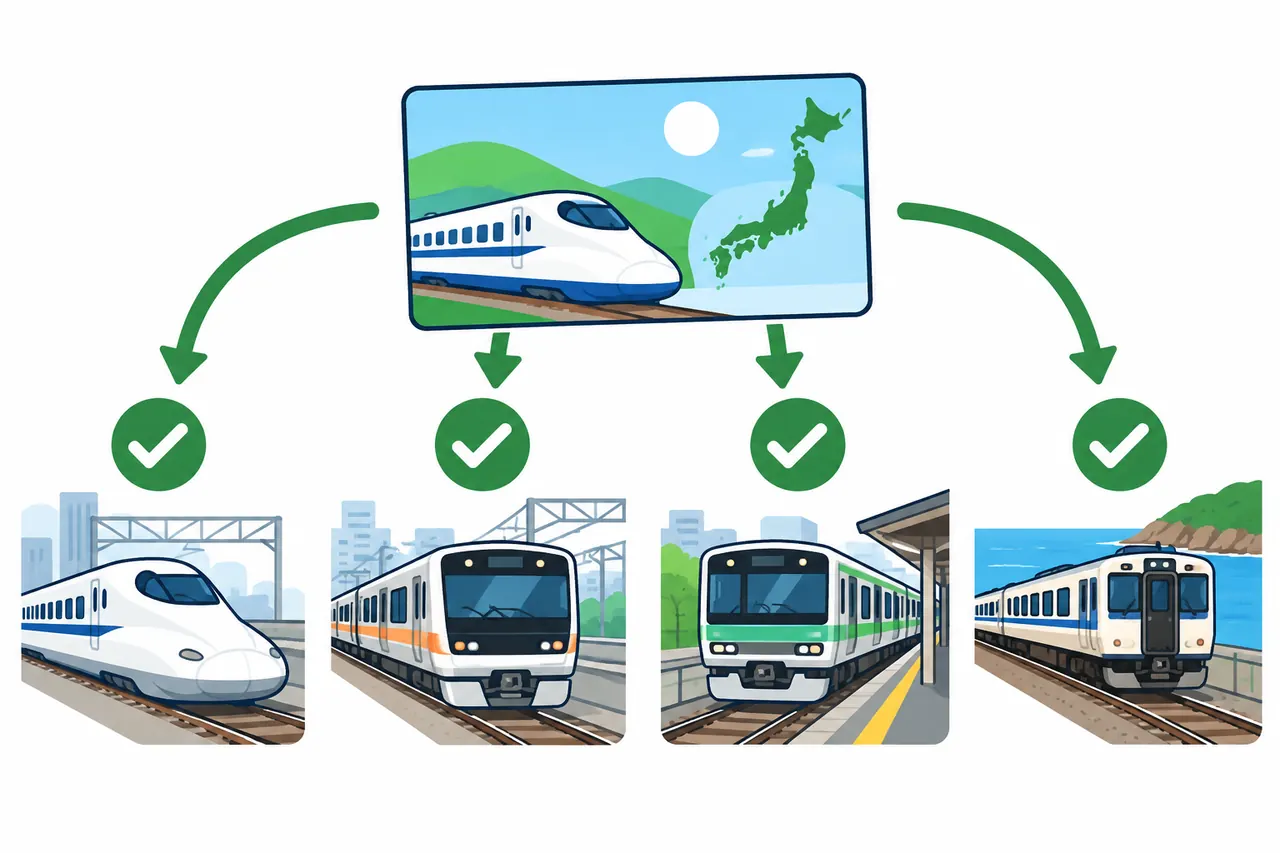
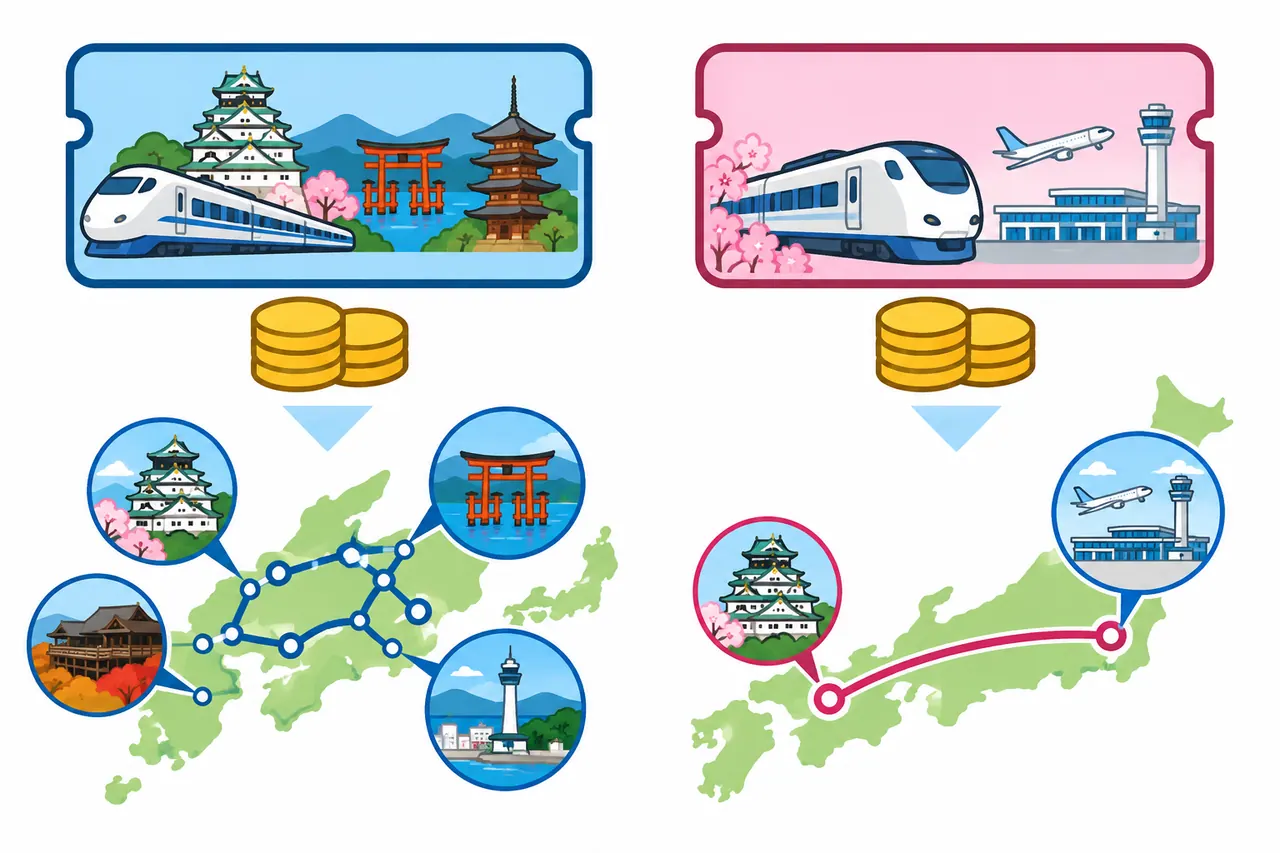
A pass can be useful if it covers other journeys you already plan to make. Compare the price of those journeys with separate tickets, and check whether the pass covers HARUKA, the seat you want and the days you will travel. A pass’s price alone does not show whether it is the best choice for a single airport trip.
| Product | Coverage or status | Listed adult price |
|---|---|---|
| HARUKA one-way visitor ticket | One covered airport trip for eligible visitors; sold from 1 November 2026 | Kyoto ¥2,700 |
| WEST QR Kansai Area Pass | HARUKA and covered area trains; no Shinkansen | 1–4 days: ¥2,700 / ¥4,700 / ¥5,500 / ¥6,700 |
| Paper Kansai Area Pass | Sales ended 30 September 2026 | Historical 1–4 days: ¥2,800 / ¥4,800 / ¥5,800 / ¥7,000 |
| Kansai Railway Pass LITE | Listed sales and use periods ended in 2026; JR was not covered | Historical 2 days ¥5,200; 3 days ¥6,500 |
| KANSAI ONE PASS | Rechargeable travel card | ¥3,000, including ¥500 deposit |
| Kyoto-Osaka Sightseeing Pass | Specified Keihan services, not HARUKA | 1 day ¥1,650; 24 hours ¥1,850 |
The one-day WEST QR Kansai Area Pass and the Kyoto HARUKA one-way visitor ticket both cost ¥2,700 for an eligible adult, but they cover different things. The pass covers a day of travel within its area under its rules, while the one-way ticket covers its specified trip. Check the WEST QR pass information and JR West’s one-way ticket page before deciding.
WEST QR, paper passes and nationwide passes
The WEST QR Kansai Area Pass covers HARUKA non-reserved seats and certain local trains, and allows up to two HARUKA standard-class reserved-seat rides. Buy the voucher through an overseas travel agency and add it on the dedicated website; multi-day versions must be used on consecutive days. Reserve a HARUKA seat on that site before boarding, not at a station ticket machine or counter.
For a reserved seat, choose a car allowed by the pass. If its designated car is full, use a non-reserved seat rather than a reserved seat in another car. The paper Kansai Area Pass ended sales on 30 September 2026; purchased passes may be used within their specified validity period, and its historical prices and coverage should not be mistaken for a currently available product. Details for the current QR pass are on JR West’s WEST QR Kansai Area Pass page, and the ended paper product is described on the JR West Kansai Area Pass page.
The nationwide JAPAN RAIL PASS also covers HARUKA, but the equipment and seat rules differ between Standard and Green Car passes. Check eligibility and the seat type on the official JAPAN RAIL PASS guide and its guide to usable train facilities. The official pass can be bought through its dedicated website or designated overseas JR sales locations and agencies; for a pass bought on the official site, seats can be reserved there, while after collection they can also be reserved at a ticket machine or counter.
ICOCA and older products
An IC card is a rechargeable card tapped at a reader; it is not a limited-express ticket. ICOCA & HARUKA was an older set containing an ICOCA card and a discounted HARUKA ticket. JR West announced that sales would end from 30 September 2023, and the current one-way ticket list does not establish that the set has returned.
A 2016 document describes the old set as including an ICOCA card with ¥2,000 value, including a ¥500 deposit, plus a HARUKA discount ticket; its Kyoto-area one-way discount ticket was then ¥1,600. Those are historical prices, not current offers. Check JR West’s announcement about the product change rather than relying on old promotional prices.
Kyoto City lists KANSAI ONE PASS as having no expiry date, but ICOCA electronic-money terms include restrictions after long periods without use. Check both sets of conditions if you plan to use an old card. The KANSAI THRU PASS is another ended product: its operator announced the end of sales after the 2023 sales year, and a later return is unconfirmed.
6. Late arrivals, return trips and luggage
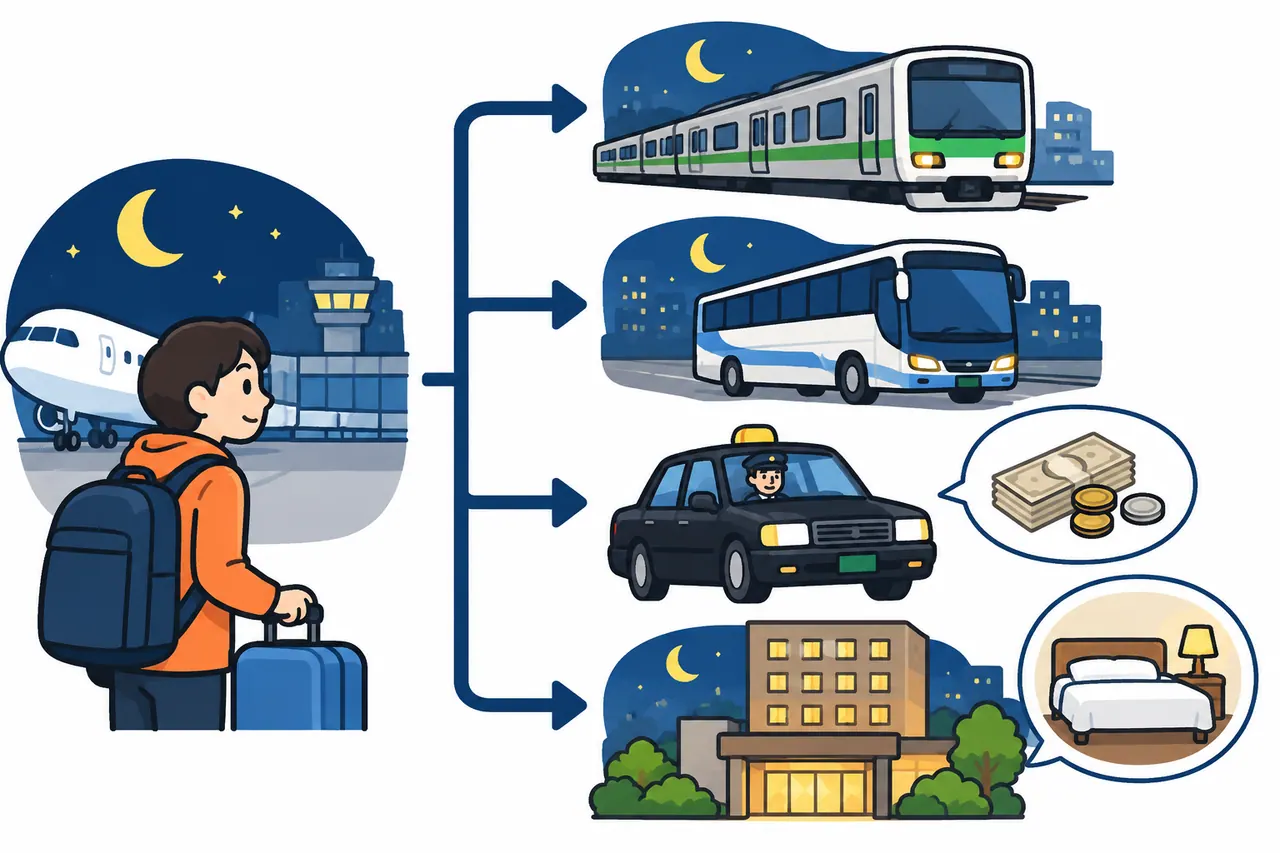
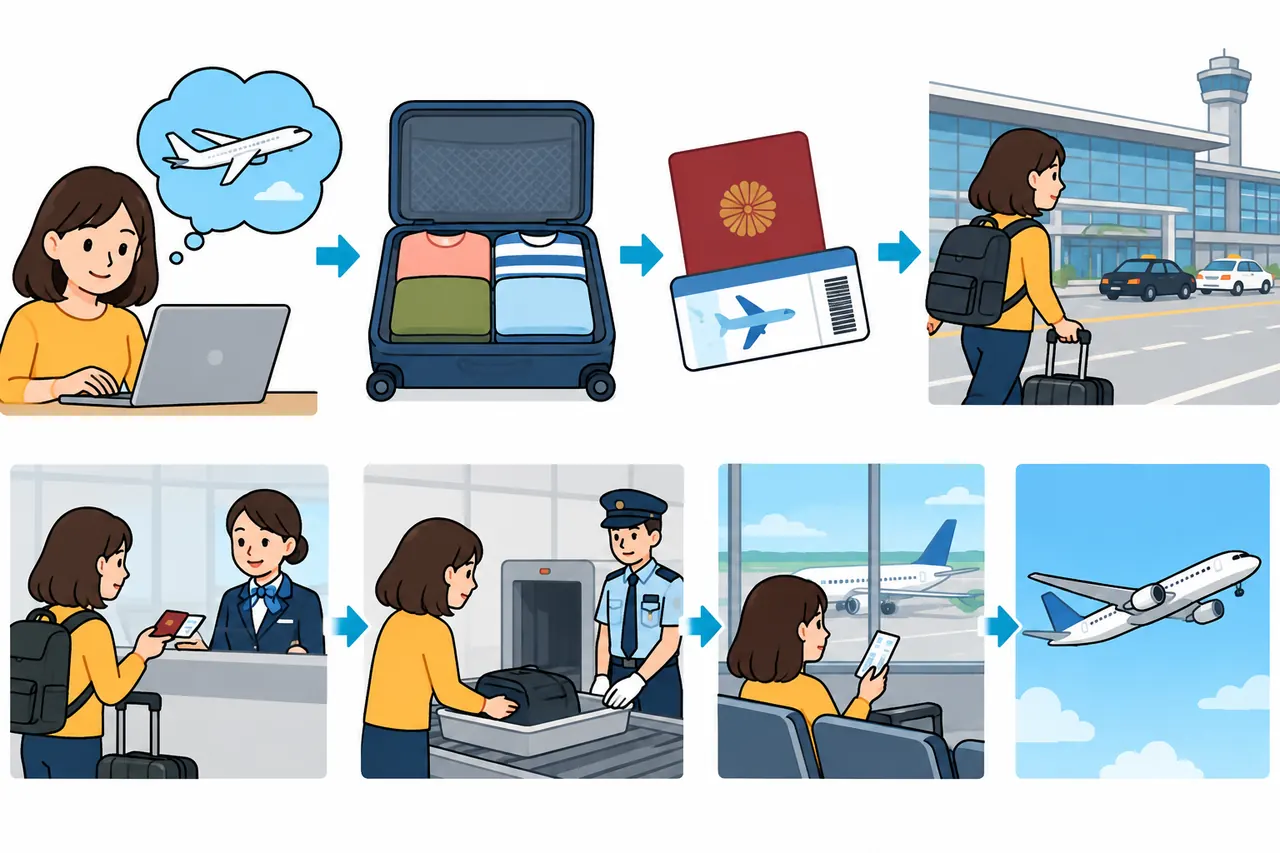
For a late arrival or an early flight, check the services that run on your actual date and plan a backup before relying on a last train or bus. Published timetable examples can help you know what to look for, but they are not confirmation that a service runs on your travel date. Include the time needed to reach your terminal from your hotel or station.
Published timetable examples
The JR West timetable shown was revised on 14 March 2026. It lists a HARUKA leaving Kansai Airport at 22:16 and arriving in Kyoto at 23:32; the same timetable lists 20:30 as the last Kyoto departure in that table. These examples are not confirmed first or last services for every date, so check the HARUKA timetable for your travel day.
| Published example | Direction | What to confirm |
|---|---|---|
| HARUKA 22:16 from Kansai Airport, arriving Kyoto 23:32 | Airport to Kyoto | Whether it runs on your date |
| HARUKA 20:30 from Kyoto, last departure listed in that timetable | Kyoto to airport | Whether the timetable applies on your date |
| Bus departures 6:45–23:20 from Terminal 1 | Airport to Kyoto | Date, terminal and stop order |
| Bus departures 4:30–21:10 from Kyoto Station | Kyoto to airport | Date, terminal and stop order |
The bus departure ranges come from the published KATE Kyoto route timetable, not a guarantee of service at those times for every date. Check both the route and the terminal served by the bus you plan to take. If your arrival is too late for public transport, ask a taxi operator for an address-specific quote or consider whether you need an airport-area hotel.
Plan the return to the airport
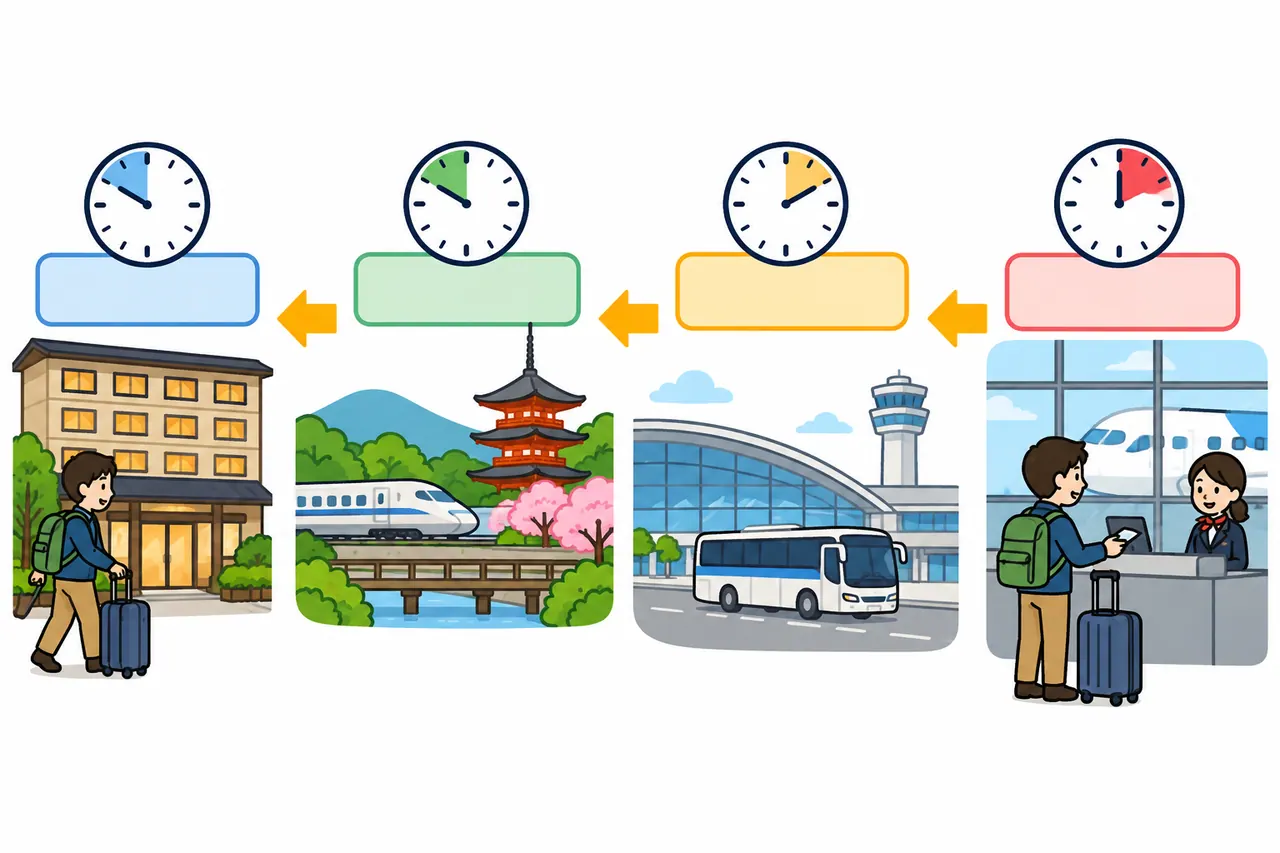
Work backwards from the airport arrival time required by your airline rather than choosing a Kyoto departure time first. Check the terminal on your flight booking, search JR West or KATE for a service that reaches it in time, and add the route from your hotel to the station or stop. If you choose the bus, reserve an airport-bound service where required and confirm the conditions for boarding without a reservation.
For a flight from Terminal 2, include the terminal transfer in your plan and check the current connection information. A published service is not a safe return plan until you have confirmed it runs on your date and leaves enough time for your hotel-to-station journey. If missing the planned service would affect your flight, make a backup plan before departure.
A planning worksheet
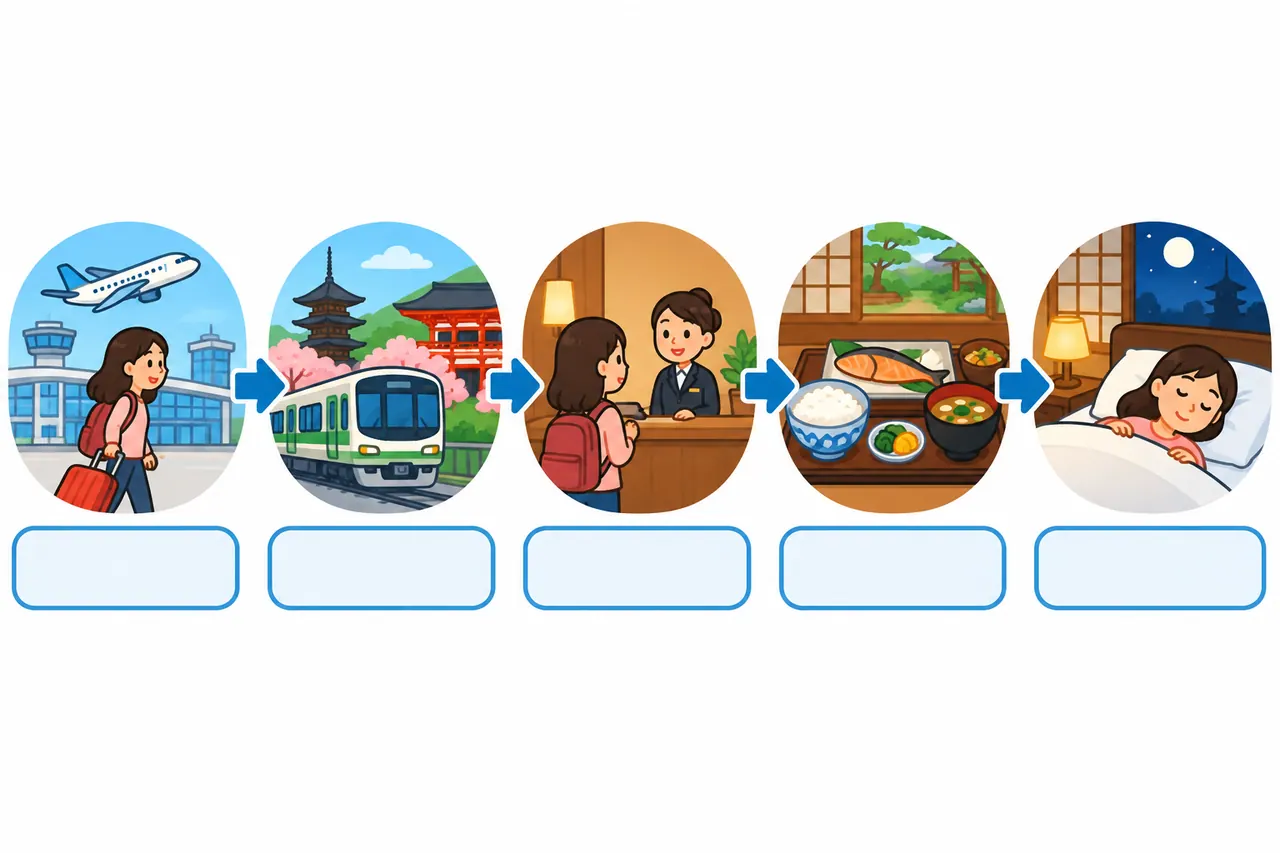
Use this worksheet to organise the airport-to-hotel journey around your flight and group. The blanks are for your own confirmed times; this is not a timetable. Include your luggage and any onward trip from Kyoto Station or another stop.
| Step | Your time or answer |
|---|---|
| Flight arrival and terminal | ___ |
| Time ready to leave the airport | ___ |
| Train or bus departure and stop | ___ |
| Arrival at Kyoto Station or another stop | ___ |
| Onward route to hotel | ___ |
| Hotel arrival or bag drop | ___ |
| Meal and rest plan | ___ |
| Backup if you miss the service | ___ |
Check with your hotel before travel about arrival and bag-drop arrangements. Make sure the route from the station or bus stop works for the number of people and bags in your group. For train and bus choices, use current route information rather than filling the worksheet from a past timetable.
Send luggage to your hotel
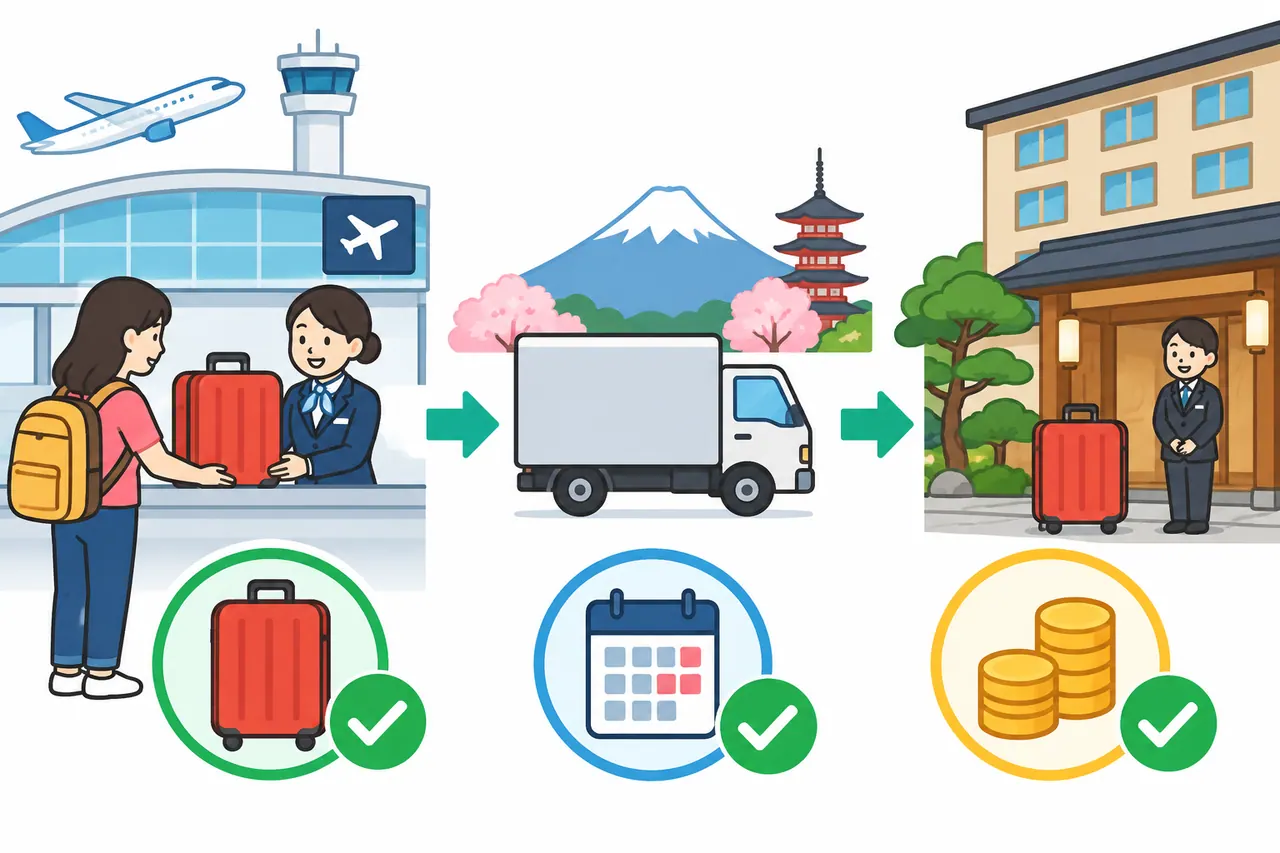
Yamato Transport’s Kansai International Airport Terminal 1 fourth-floor north centre opened on 1 August 2026 and lists hours of 6:30–22:30, year-round. It handles parcel sending and related services; confirm current hours and conditions before going. The centre’s Kansai Airport information is the source for these details.
For eligible accommodation with a reception desk in Kyoto’s Shimogyo, Nakagyo, Minami or Higashiyama wards, the centre lists same-day delivery when the bag is accepted by 12:30, with delivery after 18:00. This is not a guarantee for every hotel in those wards: ask Yamato and your accommodation whether the hotel qualifies and can receive the bag. The price from the airport is not confirmed here, so ask at the counter.
The centre also lists same-day delivery to parts of the two prefectures and four other prefectures in Kansai for items accepted by 10:00, with delivery after 18:00; some areas are excluded. Confirm the destination and conditions with Yamato. A 2025 counter list said there was no Yamato delivery counter at Terminal 2, but that historical information does not confirm the counter’s status in November 2026.
Before sending a bag, ask your hotel whether it accepts luggage before your arrival and what information it needs. Show Yamato the hotel address, confirm eligibility, price and delivery date, and keep the receipt; carry essential items with you. Yamato also lists a separate example of same-day delivery from its Kyoto Station-front office to hotels in Kyoto City, with a 160-size parcel priced at ¥2,870, but that is not an airport-origin price and office hours and eligible areas vary.
7. Passengers’ questions and planning the rest of the trip
A Kyoto airport transfer is only one part of the journey. After choosing a train or bus, check the onward route, food and any sightseeing plans against your arrival time and the opening conditions for your dates. The ideas below are planning suggestions, not timed itineraries.
How much time should I allow for Kyoto?
KATE lists about 85–90 minutes between Terminal 1 and Kyoto Station Hachijo Exit by bus. For HARUKA, check the particular train on JR West’s timetable rather than relying on an assumed journey time. Published guidance also varies: an August 2025 Kyoto tourist-office document listed HARUKA from Kyoto to the airport at 75–100 minutes and the bus at 88 minutes, while the current route page gives the bus estimate above; these figures do not confirm the time for your chosen service.
Which option is cheapest?
For an eligible adult buying the HARUKA visitor ticket sold from 1 November 2026, the direct fare to Kyoto is ¥2,700; the adult one-way bus fare is ¥2,800. The HARUKA ticket is therefore ¥100 less for this specific comparison, but its eligibility rules matter. Connecting routes, ticket requirements and the onward trip to your hotel can change the total cost, so compare the complete journey.
Can I use a rail pass on HARUKA?
The WEST QR Kansai Area Pass covers HARUKA under its seat rules, and the nationwide JAPAN RAIL PASS also covers HARUKA with rules that differ by pass and seat type. The WEST QR area pass permits up to two HARUKA standard-class reserved-seat rides and covers non-reserved seats under its terms; the nationwide pass has its own Standard and Green Car rules. Check the WEST QR pass conditions and the JAPAN RAIL PASS seat information before boarding.
Can I board the bus without a reservation?
KATE describes buses to Kansai Airport as reservation services. Its Kyoto Station Hachijo Exit stop information says passengers without a reservation may board if seats are free, so do not treat an unreserved seat as guaranteed. Check the current KATE route and booking information and the Kyoto Station stop page.
What are the bus luggage limits?
KATE allows up to two pieces per person in the under-bus luggage compartment, subject to a combined weight limit of 30 kg, a combined volume limit of 0.25 cubic metres and a maximum three-dimension total of 2 metres for each item. Valuables, mobile batteries and bags that fit at your feet or on the luggage shelf must not go in that compartment. Check the KATE user guide if your luggage may exceed any limit.
What can I do if I arrive late?
First check whether a train or bus runs on your actual date and whether it reaches your terminal or destination in time. The published HARUKA and bus examples in this guide are not confirmed first or last services for every date. If public transport is not suitable, ask a taxi operator for an exact quote or consider an airport-area hotel.
Can I send my bag from the airport to my Kyoto hotel?
Yamato lists same-day delivery after 18:00 for eligible hotels with reception desks in four Kyoto wards when bags are accepted by 12:30. A hotel’s presence in one of those wards does not guarantee that it participates, and the airport price is not confirmed here. Contact both the hotel and Yamato with the full address before relying on delivery.
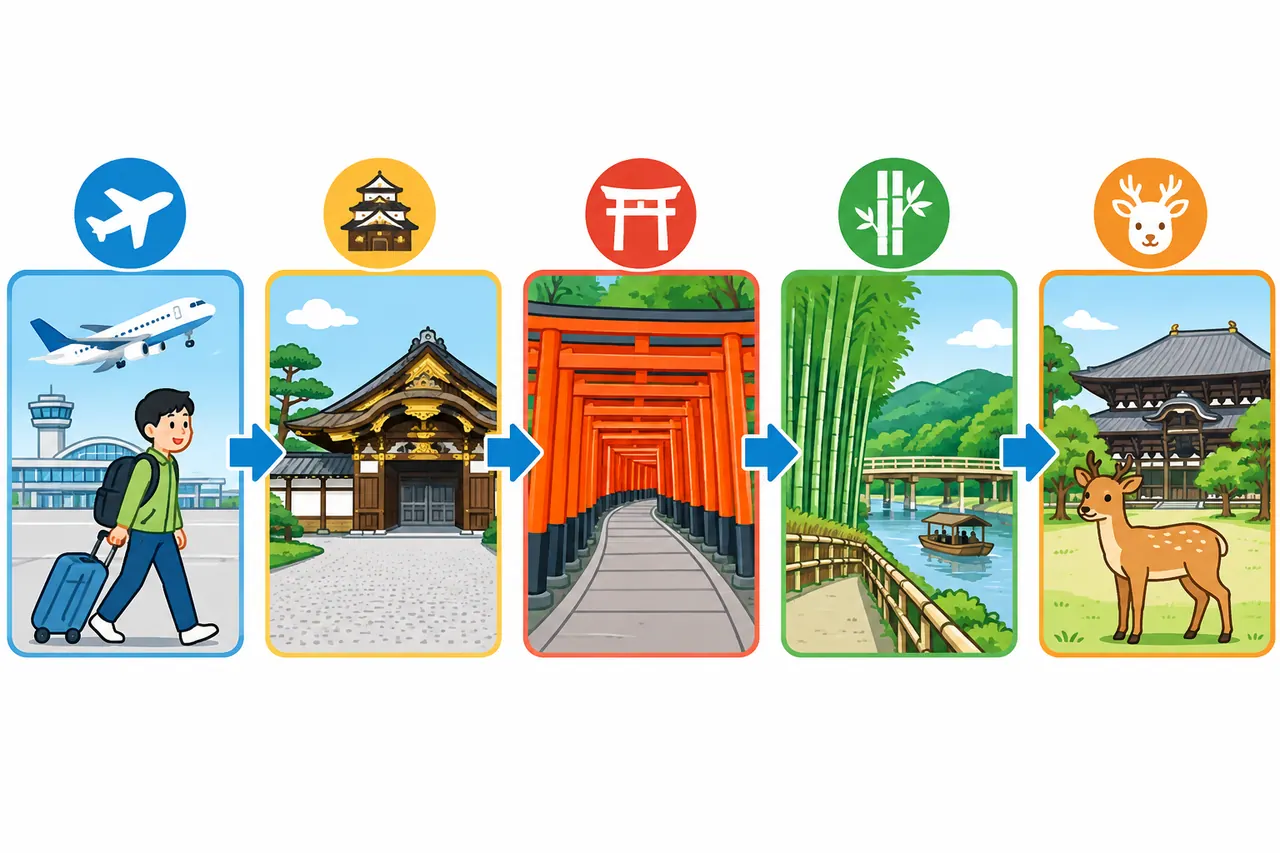
How should I plan a first day and five days in Kyoto?
After reaching your hotel area, decide what to do with your bags and choose a meal or activity that fits the time you have left. Kyoto City says Emperor Kanmu moved the capital to Kyoto in 794, and the court remained there until 1869; its introduction to Kyoto gives further background. Kyoto’s official food guide introduces kyo-kaiseki (Kyoto-style course dining), obanzai (Kyoto home-style dishes) and shojin ryori (Buddhist vegetarian cooking); ask the restaurant about ingredients you avoid.
| Day | Planning idea | Official information |
|---|---|---|
| 1 | Travel to Kyoto and plan a meal near Kyoto Station | Kyoto food guide |
| 2 | Consider Nijo Castle and its area | Nijo Castle map and information |
| 3 | Consider Fushimi Inari Shrine and the Fushimi area | Fushimi Inari access and map |
| 4 | Choose stops in Saga and Arashiyama | Saga and Arashiyama area map |
| 5 | Consider a day trip to Nara | Nara transport information |
This is a list of ideas, not a timed itinerary; check transport and opening conditions for your dates. Around Nara Park, the tourism site advises visitors not to feed wild deer anything other than deer crackers and not to give them rubbish. For onward travel to Kanazawa, Kinosaki Onsen or Amanohashidate, enter your actual stations and date in JR West’s route information and check each connection and fare.
More useful travel guides
Use the Arashiyama guide when planning that area, and check a Japan IC card guide if you are considering a rechargeable card for local journeys. Other Kyoto guides can help with food and neighbourhood planning, but restaurant, transport and booking details should be checked for your dates. Related guides include:
- Arashiyama Guide: Bamboo Grove, Bridge, Temple and Trains
- Beppu Day Trip from Fukuoka: Train, Bus, Cost & Plan
- Best Izakaya in Kyoto: 10 Picks, Map and Booking
- Best Ramen in Kyoto: 10 Shops and How to Book
- Best Sushi in Kyoto: Where to Eat and Book
- Best Tempura in Kyoto: 10 Places and How to Book
This guide uses official operator and tourism information for fares, routes and ticket conditions. The listed prices and timetable examples were checked on 3 November 2026, with HARUKA ticket details also checked on 4 November 2026; confirm current information again for your travel date.


)](https://i.ytimg.com/vi/3J5VSdqPW4Y/mqdefault.jpg)


)](https://i.ytimg.com/vi/4NOXJydIPKk/mqdefault.jpg)