Ibaraki Prefecture Travel Guide: Gardens, Coast and Waterfalls
Contents
Ibaraki is in the Kanto region, northeast of Tokyo, and offers several distinct kinds of trips: a historic garden in Mito, seasonal flowers at Hitachi Seaside Park, and a waterfall in Daigo. Other possibilities include hiking on Mount Tsukuba, space-related exhibitions in Tsukuba, historic buildings in Koga, and Oarai Isosaki Shrine’s gate on a coastal rock. Because these destinations are spread across the prefecture, choose an area first and check the transport, opening information and return journey for your date before combining stops. (JNTO’s Ibaraki overview)
1. Choose an area before planning the day
For a garden-focused visit, start with Kairakuen in Mito. For spring flowers or autumn colour, consider Hitachi Seaside Park in Hitachinaka; for a waterfall, look at Fukuroda Falls in Daigo. These are different parts of Ibaraki, so treat them as separate trip choices until you have checked the journey between them rather than assuming they fit easily into one day.
| Area or destination | What it is known for | First check |
|---|---|---|
| Mito | Kairakuen Garden, Kobuntei and nearby Lake Senba | Garden hours, festival dates and separate Kobuntei admission |
| Hitachinaka | Hitachi Seaside Park, including seasonal flowers | Current flower updates, park information and the bus from Katsuta Station |
| Daigo | Fukuroda Falls and its viewing facility | Seasonal hours, admission and your onward transport |
| Tsukuba | Mount Tsukuba hiking and space-related exhibitions | The particular attraction and the travel arrangements for your date |
| Koga | Historic temples and buildings | Which sites you want to visit and their individual access details |
| Oarai | Oarai Isosaki Shrine and its gate on a coastal rock | Current site information and how to reach it |
The JNTO overview also introduces destinations beyond the garden, coast and waterfall featured in detail here. Mount Tsukuba is presented as a hiking destination, while Tsukuba has space-related exhibition facilities; the overview also points to Koga’s historic buildings and Oarai Isosaki Shrine’s coastal setting. Treat these as separate options to research, not as stops with confirmed transport or opening details in this guide. (JNTO: Ibaraki)
A day centred on one area gives you more room to respond if the weather changes, a flower display is past its best, or a connection does not suit your schedule. For a longer stay, choose the next area only after confirming its own access and your return journey. The prefecture-wide transport total and a reliable overall trip budget cannot be stated without fixed dates, accommodation and transport choices.
There are also other nature perspectives in the material associated with this guide. Narutaki is a separate option from Fukuroda Falls, so do not confuse the two when planning a visit; a short Narutaki Falls video offers a visual introduction. A Korean traveller’s Mito and coast reel, a Thai-language Ibaraki guide reel and a Japanese Ibaraki map reel can provide additional inspiration, but use official facility information for current hours and conditions.
2. Trains, airport information and local connections
The JNTO overview lists the Joban Line as a way to enter Ibaraki from the Tokyo area and the Hitachi limited express from Ueno to Mito. It also lists the Tsukuba Express between Akihabara and Tsukuba. Choose the rail journey according to your destination: a service to Tsukuba is not the same trip as one to Mito, and neither detail alone confirms the onward connection to an attraction. (JNTO transport information)
Ibaraki Airport is another entry point listed by JNTO, but the operating days of individual routes were not established in the information checked for this guide. If you are considering flying, verify that a route operates on your date and plan the onward trip separately. Do not infer a daily service from the fact that an airport or route appears in an overview.
For Hitachi Seaside Park, the prefectural tourism association describes a bus connection from Katsuta Station. Before travelling, check the current departure time, fare and return service with the transport operator; the available information here does not establish those details. Nor should you assume that a train ticket includes the bus or admission to the park. (Ibaraki tourism association: Hitachi Seaside Park)
A practical booking and checking sequence is:
- Set the destination area and travel date before choosing a train.
- Look up the outward rail journey to Mito, Katsuta or Tsukuba, as appropriate to your plans, and check the return train as well.
- If the attraction needs a local connection, check the relevant bus timetable and fare directly with its operator.
- Confirm the attraction’s own hours, ticket conditions and any event notices before buying a non-flexible journey.
- Save the return connection alongside your accommodation or onward-travel details.
This sequence is especially useful when a station is only one part of the journey. The information available for this guide confirms the Katsuta-to-park bus connection in general, but not a departure timetable, fare or a complete transport itinerary from Tokyo. For Fukuroda Falls, the town’s attraction page gives viewing-facility information, not a complete public-transport connection from your starting point. Plan each leg independently rather than treating a destination name as a confirmed route.
3. Kairakuen Garden in Mito
Kairakuen is in Mito, and Mito City says Tokugawa Nariaki established the garden in 1842. The city describes approximately 3,000 plum trees representing around 100 varieties, while Lake Senba lies nearby. Those figures explain why the garden is associated with plum blossom, but they do not guarantee that the trees will be in bloom on a particular day. (Mito City: Kairakuen)
The official garden guide lists different hours for the main garden across the year. From mid-February through September, the listed hours are 6:00 a.m.–7:00 p.m.; from October through mid-February, they are 7:00 a.m.–6:00 p.m. Because the seasonal boundary is described as mid-February, check the garden’s current notice for the exact date of your visit rather than assuming a precise changeover day. Areas outside the main garden are generally open at all times, but events may change arrangements. (Kairakuen visitor guide)
The main garden’s listed general admission outside the plum festival is ¥320 for an adult and ¥160 for a child. During the plum festival, the listed general rates are ¥500 for an adult and ¥250 for a child. Outside the festival, admission is free for everyone from opening until 9:00 a.m.; Ibaraki residents can also enter free outside the festival when they present an original proof of address. Check the official guide for the conditions applying to your visit, including any event-related changes.
Kobuntei is a separate choice from the main garden, with its own listed charge of ¥230 for an adult and ¥120 for a child. It is closed from 29 to 31 December. If you want to visit both the main garden and Kobuntei, account for the separate charge and check the relevant arrangements instead of treating the garden ticket as covering both.
| Kairakuen admission item | Listed price | Timing or condition |
|---|---|---|
| Main garden, adult | ¥320 outside the plum festival | Free for everyone from opening until 9:00 a.m. outside the festival |
| Main garden, child | ¥160 outside the plum festival | Festival rates are separate |
| Main garden, adult | ¥500 during the plum festival | General admission |
| Main garden, child | ¥250 during the plum festival | General admission |
| Kobuntei, adult | ¥230 | Separate facility; closed 29–31 December |
| Kobuntei, child | ¥120 | Separate facility; closed 29–31 December |
These are the listed conditions checked on 4 November 2026, not a promise that event arrangements will be unchanged on a later visit. For the most useful plan, check the garden guide for the date, decide whether Kobuntei is part of your visit, and then select a train that leaves enough time for the hours applying to the main garden. If you are relying on free early entry, remember that the relevant period is from opening until 9:00 a.m. and applies outside the plum festival.
4. Fukuroda Falls in Daigo
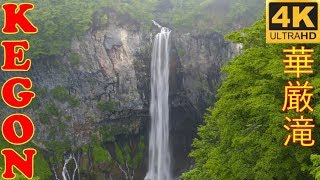
Fukuroda Falls is a Daigo attraction that the town describes as 120 metres high and 73 metres wide. The visitor facility provides a place to view the falls, and the town lists it as open year-round. Admission to the viewing facility is listed at ¥500 for an adult and ¥300 for a child in elementary or junior-high school. (Daigo Town: Fukuroda Falls)
The opening hours change by season: 8:00 a.m.–6:00 p.m. from May through October, 8:00 a.m.–5:00 p.m. in November, and 9:00 a.m.–5:00 p.m. from December through April. Use the town’s current information before departure, particularly if an event or weather may affect your plans. “Open year-round” describes the facility’s general operating schedule; it does not remove the need to check the day’s conditions.
| Fukuroda viewing facility | Listed price | Listed hours |
|---|---|---|
| Adult | ¥500 | May–October: 8:00 a.m.–6:00 p.m. |
| Child, elementary or junior-high school | ¥300 | November: 8:00 a.m.–5:00 p.m. |
| — | — | December–April: 9:00 a.m.–5:00 p.m. |
The price applies to individual admission to the viewing facility. It is not a confirmed through fare from a city or station, and the information checked for this guide does not provide a complete public-transport itinerary to the falls. Confirm transport separately, allow for the seasonal closing time, and check your return journey before setting out. A traveller’s Fukuroda and coastal reel shows another visitor’s route perspective, but it is not a substitute for current transport or facility information.
5. Hitachi Seaside Park: flowers, facilities and costs
Hitachi Seaside Park is in Hitachinaka, at 605-4 Mawatari aza Onuma, according to the prefectural tourism association. The association highlights nemophila in spring and kochia in autumn. These seasons are useful for deciding when to investigate a visit, but a seasonal label is not a guaranteed peak date: check current flower information if a particular display is the main reason for travelling. (Ibaraki tourism association: Hitachi Seaside Park)
The park also has rental bicycles, a seaside train and an amusement area. Those facilities give visitors different ways to move around or spend time in the park, but the information used here does not establish their current prices, availability or operating conditions. Check the park’s current notices for the facilities you intend to use rather than building an activity budget from assumptions.
The tourism association’s English listing gives conflicting closing times for October: it states both 5:00 p.m. and 4:30 p.m. The available information therefore does not establish one reliable October closing time. Check the park’s current official notice for your day instead of choosing one of the two times from the inconsistent listing. The current park admission price was also not established in the information checked for this guide.
For access, the association describes a bus connection from Katsuta Station. Check the operator’s current departure time, fare and return service, and budget for transport separately from park admission and any activities you choose. The information here does not confirm that any train ticket includes the bus, park entry, bicycle rental, seaside train or amusement-area activities.
| Planning item | What is established | What to confirm for your date |
|---|---|---|
| Spring display | Nemophila is highlighted as a spring flower | Current flower condition and display timing |
| Autumn display | Kochia is highlighted as an autumn feature | Current flower condition and display timing |
| Station connection | A bus from Katsuta Station is described | Departure times, fare and return service |
| Park hours | October closing information conflicts in the English listing | Current official notice for the visit date |
| Admission | Current price was not established in the checked material | Current admission information |
| Facilities | Rental bicycles, a seaside train and an amusement area are listed | Current availability, conditions and any applicable charges |
Visitor-made posts can offer a sense of how people frame a flower-park visit, but they cannot confirm the current bloom or operating schedule. The available examples include an Indonesian-language flower-park reel and a Korean-language spring nemophila reel. Use them for inspiration, then check the park’s own information for the conditions on your chosen date.
6. Costs and a practical way to plan the trip
The confirmed prices in this guide apply to specific facilities, not to a complete Ibaraki trip. Kairakuen’s main-garden admission changes between the plum festival and the rest of the year, while Kobuntei has a separate charge. Fukuroda Falls has a listed individual admission price for its viewing facility; the current Hitachi Seaside Park admission price was not established in the information checked. (Kairakuen guide; Daigo Town; Hitachi Seaside Park listing)
| Expense | Information available | Budgeting approach |
|---|---|---|
| Kairakuen main garden | ¥320 adult and ¥160 child outside the plum festival; ¥500 adult and ¥250 child during it | Confirm whether your date falls during the festival; check free-entry conditions |
| Kobuntei | ¥230 adult and ¥120 child | Add this only if you choose to visit the separate facility |
| Fukuroda viewing facility | ¥500 adult and ¥300 child in elementary or junior-high school | Keep separate from transport costs |
| Hitachi Seaside Park | Current admission price not established here | Check the park’s current information before setting a total |
| Train and bus journeys | Fares and a complete trip total are not established here | Check each operator for your date and route |
| Park activities | Rental bicycles, seaside train and amusement area are listed | Confirm current conditions and any charges directly |
For a first visit, begin with the attraction that matters most to you, then check its hours and ticket conditions before deciding how much else to include. If Kairakuen is the priority, use its seasonal hours and festival pricing to choose a visit window. If flowers are the priority, check the current flower update and the Katsuta bus arrangements before purchasing a fixed train journey. If Fukuroda Falls is the priority, match the seasonal facility hours to your transport plan and return connection.
A sensible cost estimate should be assembled from separate confirmed amounts: the train fare, any local bus fare, the attraction admission that applies, and any optional activities you decide to use. No reliable total for travelling around the prefecture is available without a travel date, starting point, accommodation and selected transport. Keep uncertain costs visible in your plan rather than treating them as included in a ticket or assuming that every facility has the same pricing policy.
7. Frequently asked questions
Can I visit Kairakuen, Hitachi Seaside Park and Fukuroda Falls in one day?
These attractions are in different areas: Kairakuen is in Mito, Hitachi Seaside Park is in Hitachinaka, and Fukuroda Falls is in Daigo. The information in this guide does not establish a convenient one-day connection among all three, so check each transport leg and return journey before trying to combine them. Focusing on one area gives you more flexibility around opening hours, seasonal conditions and connections.
When should I visit Hitachi Seaside Park for flowers?
The prefectural tourism association highlights nemophila in spring and kochia in autumn. Those are seasonal guides, not guarantees that the flowers will be at their best on a particular date. Check the park’s current flower information before you travel, especially if a specific display is the main purpose of your visit.
What are the current opening hours for Kairakuen?
The official guide lists the main garden as open from 6:00 a.m. to 7:00 p.m. from mid-February through September, and from 7:00 a.m. to 6:00 p.m. from October through mid-February. Since the seasonal boundary is given as mid-February, check the current guide for the exact date you plan to go. Areas outside the main garden are generally open at all times, though events may change arrangements.
Is Kobuntei included with Kairakuen admission?
Kobuntei has its own listed charge: ¥230 for an adult and ¥120 for a child. It is separate from the main garden, so include it only if you choose to visit. The listed closure is 29–31 December; check the facility’s current information before travelling.
How much does it cost to see Fukuroda Falls?
Daigo Town lists individual admission to the viewing facility at ¥500 for adults and ¥300 for children in elementary or junior-high school. The listed hours vary by season, even though the facility is described as open year-round. These figures do not include a confirmed transport fare from your starting point, so plan the journey separately.
Is Hitachi Seaside Park admission included with the train or bus?
The information checked for this guide does not establish that train or bus tickets include park admission. It also does not establish a current park admission price. Check the park’s current information and the transport operator’s timetable and fare separately before you travel.