Haneda Business Jet Terminal: Gate, Facilities and Enquiries
Contents
Haneda Airport’s international business aviation gate is in Terminal 3. The airport lists a dedicated reception counter, waiting areas, security inspection and customs, immigration and quarantine facilities, as well as a vehicle drop-off area and temporary parking space. It lists the gate as open 24 hours, but that schedule does not guarantee that a particular aircraft can land, park or receive immediate clearance at the time requested. (Haneda Airport, checked 4 November 2026: Business Aviation gate.)
The gate’s facility charge is only one possible part of an operation’s cost. A search listing from Tokyo International Air Terminal Corporation (TIAT) gives rates for gate use and technical-landing waiting-room use, but the detailed page could not be retrieved during the source research, so the listing’s current validity and the latest booking procedure remain unconfirmed. Treat those figures as a reference to ask about, not as a current quote; request written, itemised terms from the handling provider. (TIAT: Business Aviation listing; source research recorded 4 November 2026.)
Contents
- Location and facilities
- Gate fees and other costs
- Ground-handling enquiries
- 24-hour gate hours and flight permission
- General Terminal 3 rail access
- Frequently asked questions
- Related guides
Location and facilities
Haneda identifies the international business aviation gate with Terminal 3; the dedicated gate is not listed as a service at Terminal 1 or Terminal 2. Confirm your actual meeting point and the vehicle approach with the handling provider arranging your operation. A map or rail guide for the general Terminal 3 passenger area is not, by itself, directions to the dedicated gate entrance. (Haneda Airport: Business Aviation gate.)
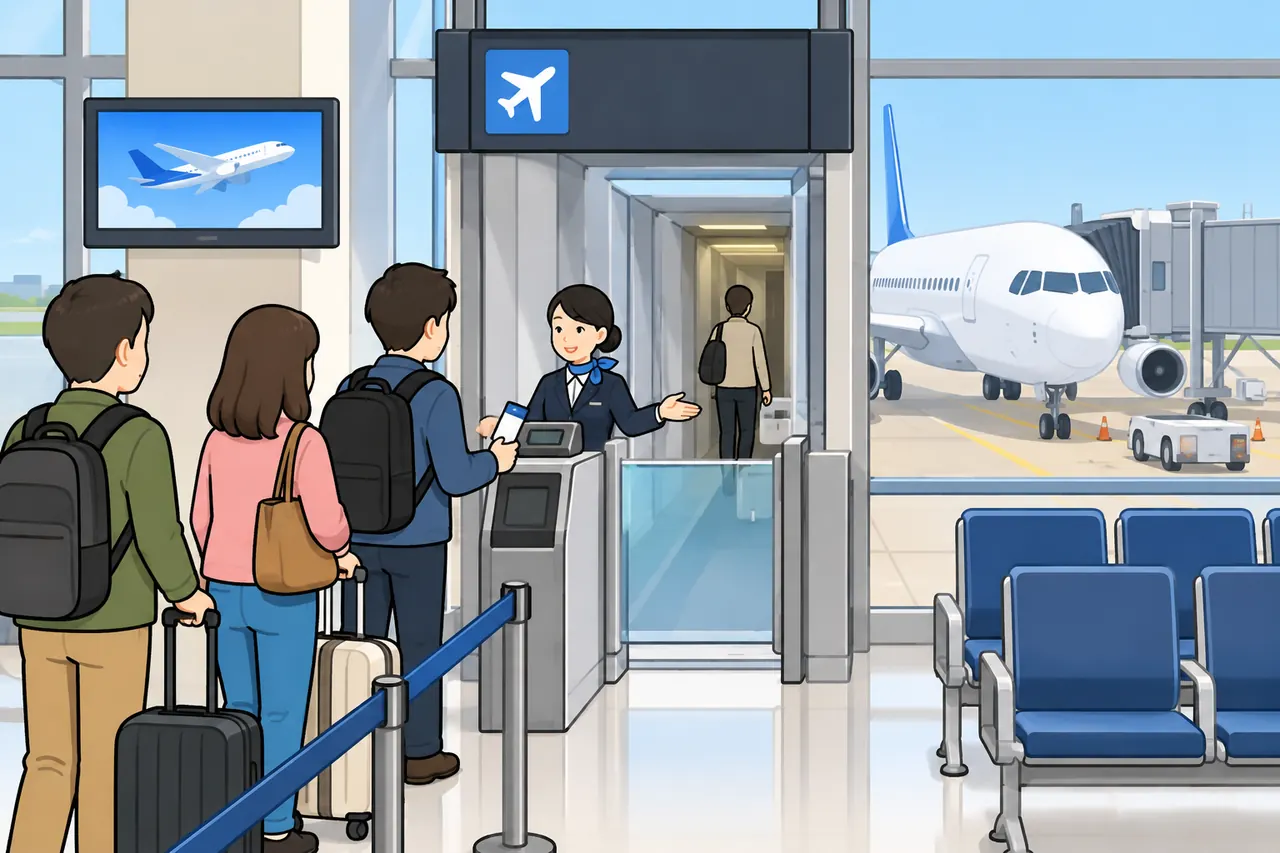
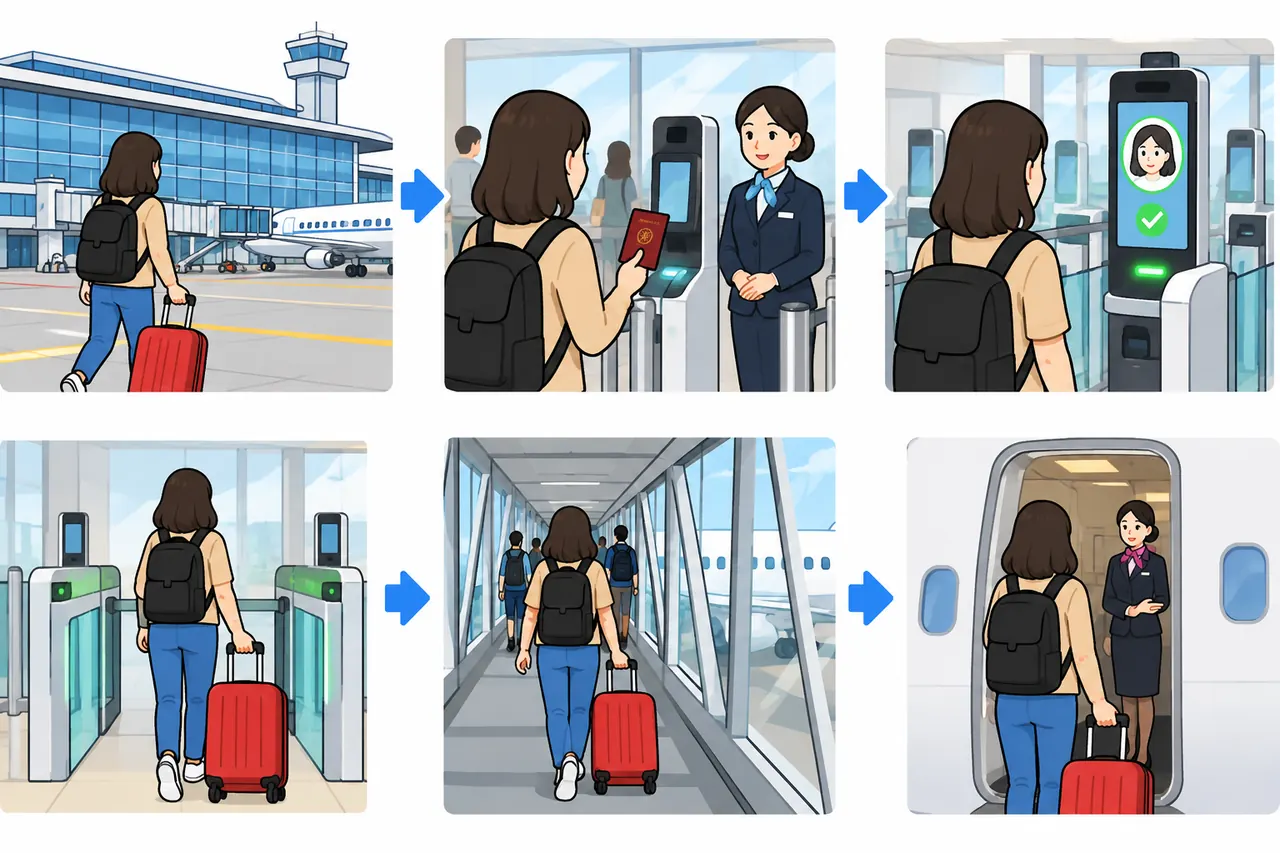
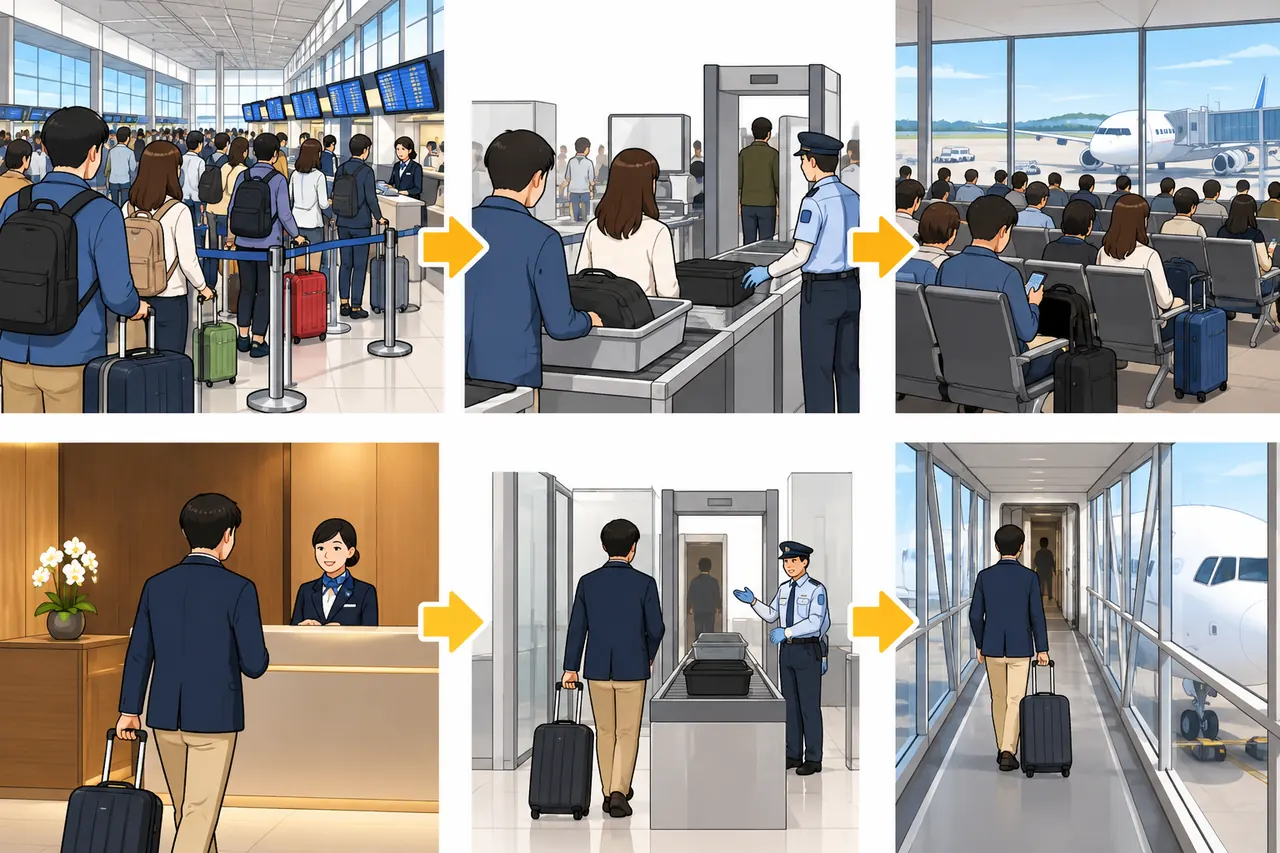
The airport’s published facility description lists a dedicated reception counter, lobby and waiting room, security inspection, and customs, immigration and quarantine facilities. It also lists a dedicated vehicle drop-off area and temporary parking space. These are facility descriptions, not confirmation that a particular passenger, crew member or accompanying person may use each area under any circumstances; ask the handler to confirm the arrangements for your flight. (Haneda Airport: Business Aviation gate.)
| Facility listed by Haneda | Practical point to confirm |
|---|---|
| Dedicated reception counter | Where your party should meet and what procedure your provider uses |
| Lobby and waiting room | Who may use the waiting area and whether any charge applies |
| Security inspection | The departure procedure and timing for your operation |
| Customs, immigration and quarantine facilities | The flight-specific arrangements and documents to confirm with the handler and authorities |
| Vehicle drop-off area and temporary parking | The correct entrance, any permission required, parking conditions and charges |
Haneda says the dedicated route is intended to help shorten entry and departure processing and protect privacy. That describes the purpose of the route; it is not a promised processing time or a guarantee of immediate clearance. The airport’s facility listing does not establish eligibility for an individual passenger, a flight’s clearance, a slot, aircraft parking availability or a current total price. (Haneda Airport: Business Aviation gate.)
When arranging a visit, ask the provider to give your party one clear set of arrival or departure instructions. Confirm the specific meeting point, the vehicle entrance and whether the handler will coordinate access to the dedicated facilities. Keep those instructions separate from directions to the ordinary Terminal 3 rail gates: the airport’s general train guide describes access to the passenger terminal, not a guaranteed walking route to the business aviation gate.
Gate fees and other costs
A gate fee is not the same as the price of chartering an aircraft or arranging ground handling. Depending on the operation, a quote may also need to address aircraft charter, handling, aircraft parking, ground transfers and other services. The available facts do not establish the price or capacity for a particular aircraft or flight, so request a current, written quote that identifies what is included and what is conditional.
TIAT’s search listing gives the following figures, but the detailed page could not be retrieved in the source research. The listing’s current validity and latest booking procedure are therefore unconfirmed; do not use the figures as a confirmed offer or assume that they represent the total cost of an operation. Use them as specific points to verify with the provider. (TIAT: Business Aviation listing; source research recorded 4 November 2026.)
| Item in the TIAT search listing | Listed amount | Qualification |
|---|---|---|
| Gate use for an arrival or departure | ¥400,000, excluding tax | Listed per arrival or departure; current validity unconfirmed |
| Basic passenger allowance | Up to 20 people per use | The listing describes the basic allowance for one use |
| Each person from number 21 onward | ¥20,000, excluding tax | Listed as an additional charge per person |
| Waiting-room use for a technical landing | ¥300,000, excluding tax | Listed per flight |
| Each person from number 21 onward for that waiting-room use | ¥15,000, excluding tax | Listed as an additional charge per person |
The distinction between “per arrival or departure” and “per flight” matters when comparing a proposed itinerary with the listing. Ask the provider how it interprets the applicable unit for your operation, how passenger numbers are counted, whether tax is added, and whether the fee applies separately to arrival and departure. Do not assume that a gate-use charge covers charter, aircraft parking, ground handling or passenger transfers.
Ask for the quote to separate confirmed costs from optional or conditional services. In particular, ask which amounts depend on passenger count, aircraft parking, a technical landing or a schedule change, and what happens if the planned timing changes. The available information does not confirm current gate capacity, a particular flight’s slot, a charter price or a complete operating total; only the provider and relevant authorities can confirm the arrangements for your case.
Ground-handling enquiries
Haneda’s business aviation information lists JAL Business Aviation, ANA, Japan Aviation Service, IASS and InterAviation Japan among its ground-handling companies. The list is a starting point for enquiries, not a promise that every company offers the same services or can arrange every operation. Contact a provider to establish what it can arrange for your proposed flight, including the gate, slot, parking and passenger handling. (Haneda Airport: Business Aviation gate and handling companies.)
JAL Business Aviation describes ground handling for business jets arriving from overseas and also describes combining Japan-related charter services with ground support. Its listed ground-handling enquiry number is 03-5460-5868; the separate number for charter-related enquiries is 03-5460-5869. The charter enquiry hours are listed as 09:30–17:00, excluding weekends, public holidays and the year-end/New Year period; confirm the current contact details and the appropriate service directly with the company. (JAL Business Aviation: ground handling.)
A useful enquiry should give the provider enough information to assess the request without treating the flight as already arranged. Share the proposed arrival or departure date, aircraft and itinerary, then ask whether the requested slot, gate access and aircraft parking can be arranged. The available facts do not specify an application form, lead time or permission for an individual flight, so ask the provider what information and steps apply to your particular operation.
Before accepting a quote, ask who is responsible for each part of the arrangement. Confirm how passenger and crew procedures, flight documents, the meeting point, vehicle access and any coordination with the relevant authorities will be handled. The published facility list does not explain the procedure for every flight, and it does not establish a passenger’s eligibility or the clearance decision for an individual operation.
Request an itemised price covering gate use, handling, parking, charter and any optional services rather than relying on a single total without a breakdown. Ask the provider to identify any charges that depend on passenger count, schedule changes or other conditions, and review its current payment, change and cancellation terms. Treat the operation as arranged only after you have received confirmation of the relevant arrangements from the provider.
For sensitive passenger details, do not assume that an ordinary enquiry channel is the correct place to send them. Ask the provider which secure procedure it uses and who is responsible for each required report. The official facts available here do not set out a universal document list or a single reporting procedure for all flights.
24-hour gate hours and flight permission
Haneda lists the dedicated business aviation gate as open 24 hours. This refers to the gate’s stated operating hours; it does not mean that every requested aircraft movement can take place at any hour. A flight still needs its own arrangements, and the gate schedule does not itself confirm a landing slot, aircraft parking or immediate customs, immigration and quarantine clearance. (Haneda Airport: Business Aviation gate.)
Tokyo Metropolitan Government’s account describes several historical developments in Haneda’s business aviation arrangements: a dedicated route in September 2014; an increase in slots from 8 to 16 per day in April 2016; a new aircraft parking spot in October 2018; and the international dedicated gate in July 2021. These dates explain the development of the facilities and arrangements, not the number of slots currently available for a new request. (Tokyo Metropolitan Government: business aviation acceptance system.)
The metropolitan government says it continues to seek greater use of slots and additional parking spots, among other measures. That statement is further reason not to treat the historical figure of 16 daily slots as present availability or as confirmation of a particular booking. Ask the handling provider and relevant authorities about current slots, parking, operating permissions and flight-specific clearance before relying on a proposed schedule. (Tokyo Metropolitan Government: business aviation acceptance system.)
General Terminal 3 rail access
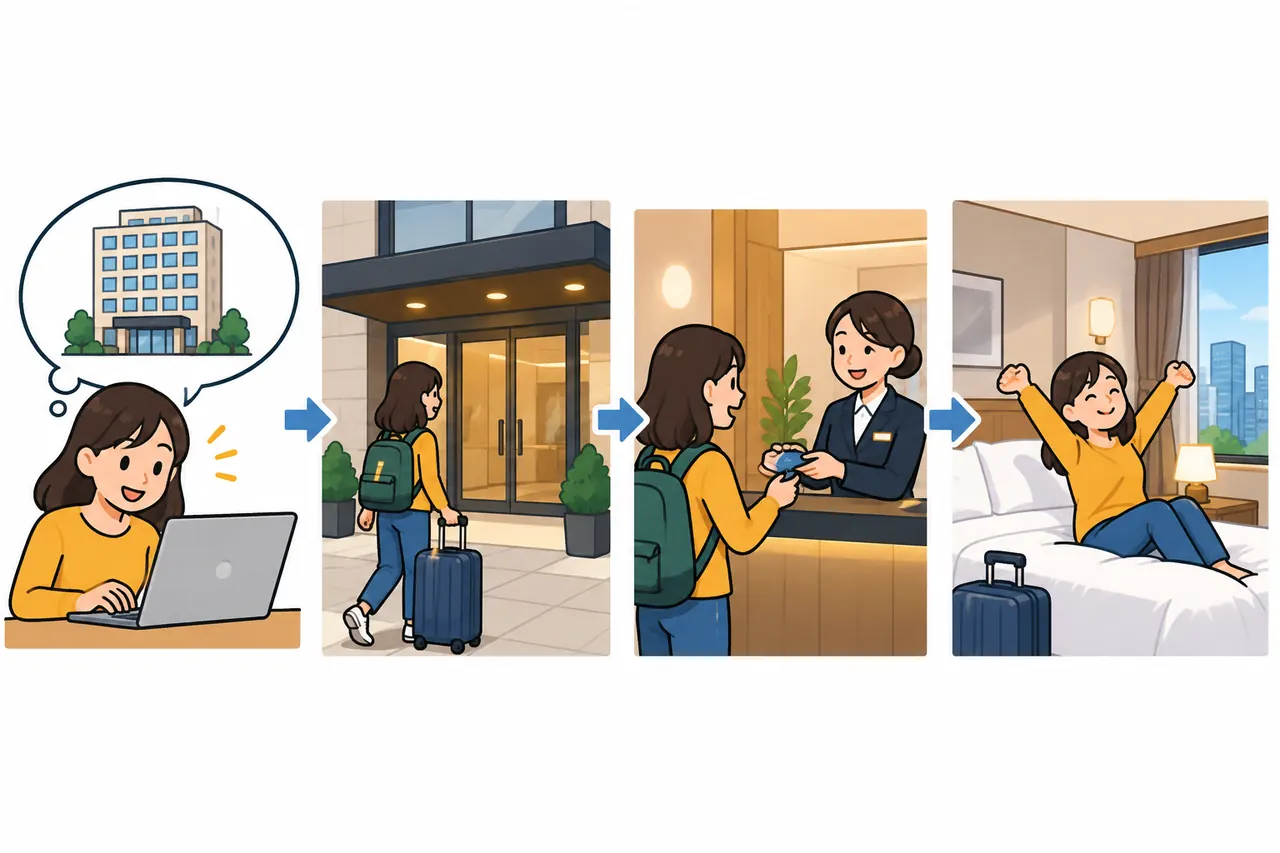
Keikyu and Tokyo Monorail connect Haneda with the wider rail network. Haneda publishes approximate rail travel times to several destinations, but these are general airport-access estimates rather than guaranteed journey times for a particular train or transfer. Check the current route, service and fare with the relevant transport company when planning a trip. (Haneda Airport: train access.)
| General airport rail journey | Haneda’s approximate time |
|---|---|
| Haneda–Shinagawa | About 15 minutes |
| Haneda–Hamamatsucho | About 20 minutes |
| Haneda–Tokyo Station | About 30 minutes |
| Haneda–Shibuya | About 45 minutes |
| Haneda–Shinjuku | About 50 minutes |
| Haneda–Narita Airport Station | About 1 hour 45 minutes |
The airport guide places the Terminal 3 Keikyu gate for city-bound trains on the second-floor arrivals level. It places the Tokyo Monorail gates on the second-floor arrivals level and the third-floor departures level. Those details describe the general terminal rail gates; they do not identify a public walking route to the dedicated business aviation gate or provide vehicle drop-off instructions. (Haneda Airport: train access.)
If you are travelling to or from the business aviation facility by rail, ask your handler how the train journey connects with your specific meeting or transfer arrangements. Do not substitute the general Terminal 3 station directions for instructions to the dedicated vehicle entrance. The Haneda-to-Narita estimate is a journey between two separate airports, not an internal transfer within Haneda; check the actual route and service before relying on the approximate time.
Frequently asked questions
Where is Haneda’s international business aviation gate?
Haneda lists its international business aviation gate at Terminal 3, not at Terminal 1 or Terminal 2. The airport’s facility information lists a dedicated reception area and other facilities there. Ask your handling provider for the actual meeting point and vehicle approach for your flight, because the general terminal map is not necessarily directions to the dedicated gate. (Haneda Airport: Business Aviation gate.)
Is the gate open 24 hours?
Haneda lists the dedicated gate as open 24 hours. That operating schedule does not guarantee a landing slot, aircraft parking or immediate clearance for a particular flight. Confirm the proposed timing and flight-specific arrangements with your handler and the relevant authorities. (Haneda Airport: Business Aviation gate.)
How much does gate use cost?
TIAT’s search listing gives ¥400,000 excluding tax per arrival or departure, with a basic allowance of up to 20 people per use and a listed additional charge of ¥20,000 excluding tax for each person from number 21 onward. The detailed TIAT page could not be retrieved during the source research, so the listing’s current validity and the latest booking procedure remain unconfirmed. Ask the provider for a current written quote and check separately whether charter, handling, parking and other services are included. (TIAT: Business Aviation listing.)
What is listed for a technical landing?
The TIAT search listing gives ¥300,000 excluding tax per flight for waiting-room use during a technical landing, with an additional listed charge of ¥15,000 excluding tax per person from number 21 onward. These are search-listed figures, not a confirmed current offer, because the detailed page could not be retrieved in the source research. Ask the provider to confirm whether the listing applies to your operation and request the full itemised costs. (TIAT: Business Aviation listing.)
Does the dedicated gate include customs and immigration facilities?
Haneda lists dedicated customs, immigration and quarantine facilities, as well as a dedicated security inspection and waiting areas. The facility listing does not confirm the procedure, timing or clearance outcome for a particular flight or passenger. Confirm the flight-specific arrangements and any required documents with the handling provider and relevant authorities. (Haneda Airport: Business Aviation gate.)
Can I use the general Terminal 3 rail directions to find the dedicated gate?
The general rail guide identifies the Terminal 3 Keikyu and Tokyo Monorail gates and their floor locations. It does not establish a public walking route to the business aviation gate or its vehicle drop-off point. Ask your handler for the exact meeting and transfer instructions, and check transport companies for current rail routes, times and fares. (Haneda Airport: train access.)